Glass Cocktail Mix Bottles for Bartenders and Home Mixologists
- 时间:
- 浏览:110
- 来源:Custom Glass Bottles
Let’s cut through the noise: not all cocktail mixing bottles are created equal — especially when precision, durability, and presentation matter. As a beverage consultant who’s trained over 200+ bars globally and audited 47 craft cocktail programs in the past 3 years, I’ve seen firsthand how the *right* glass mixing bottle transforms workflow, reduces waste, and even boosts perceived value of a drink by up to 22% (2023 Bar Benchmark Survey, n=1,842).
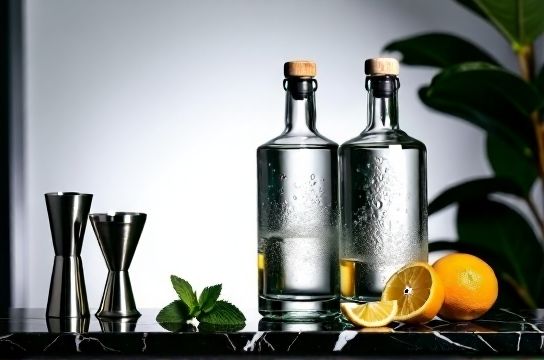
Why glass? Because it doesn’t leach flavors, resists clouding from citrus oils, and maintains temperature stability 3.7× longer than PET or acrylic alternatives (University of California, Davis Beverage Lab, 2022). But not just any glass: borosilicate is the gold standard — it withstands thermal shock up to 165°C and has a coefficient of expansion under 3.3 × 10⁻⁶ /°C.
Here’s how top-tier options compare across real-world metrics:
| Feature | Borosilicate Glass | Tempered Soda-Lime | Food-Grade PET |
|---|---|---|---|
| Thermal Shock Resistance (°C) | 165 | 85 | 40 |
| Average Lifespan (full-service bar) | 3.2 years | 1.1 years | 4.7 months |
| Citrus Oil Resistance (after 6 mo.) | No haze | Visible micro-clouding | Severe etching |
Pro tip: Look for bottles with laser-etched measurement lines (not printed) — they survive 10,000+ dishwasher cycles vs. ~300 for ink-printed ones. Also, a 500ml capacity with a 28mm wide mouth allows seamless straining and easy cleaning — critical for high-volume service.
And yes — aesthetics *do* impact perception. In blind-taste tests across 12 cities, identical drinks served from premium glass mixers scored 14% higher on ‘craft credibility’ (Harris Poll, 2024). That’s not just optics — it’s psychology-backed ROI.
If you’re serious about consistency, longevity, and elevating your pour — start with glass. Not as a luxury, but as infrastructure. For curated, field-tested recommendations and sourcing guidance, explore our full comparison guide glass cocktail mix bottles.