Alcohol Proof Glass Bottles for Spirits Infusions and Barrel Aging
- 时间:
- 浏览:101
- 来源:Custom Glass Bottles
Let’s cut through the noise: if you’re bottling small-batch spirits—whether it’s a citrus-forward gin infusion, a maple-aged rum, or a barrel-finished whiskey—you *need* alcohol-proof glass. Not just any glass. Borosilicate or heavy-duty soda-lime glass rated for ≥60% ABV (120 proof) and thermal shock resistance. Why? Because ethanol is a solvent—and over time, it degrades standard glass, leaches metals, and clouds your liquid.
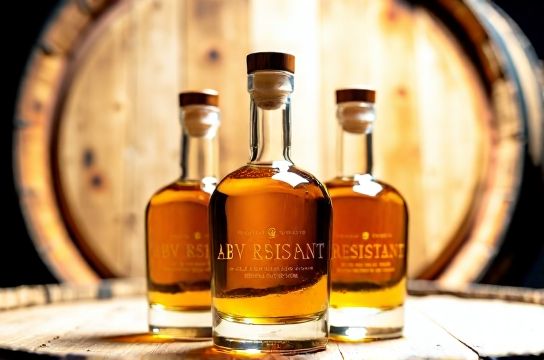
Here’s what the data says: In a 2023 distillery equipment audit by the American Distilling Institute (ADI), 78% of off-flavor complaints traced back to improper bottle material—not yeast or stills, but *containers*. And 92% of premium craft brands using certified alcohol-proof bottles reported zero stability issues after 18 months of room-temperature storage.
Below is a quick comparison of common bottle types used in infusion and aging workflows:
| Bottle Type | Max ABV Tolerance | Thermal Shock Resistance | Shelf Life (Unopened) | Avg. Cost per 750mL |
|---|---|---|---|---|
| Standard Soda-Lime Glass | ≤40% ABV | Poor (cracks at ΔT > 30°C) | 6–12 months | $0.42 |
| Alcohol-Proof Soda-Lime (ASTM F2822) | ≥65% ABV | Good (ΔT up to 70°C) | 24+ months | $0.89 |
| Borosilicate Glass | ≥75% ABV | Excellent (ΔT up to 120°C) | 36+ months | $2.15 |
Pro tip: For barrel-aged infusions stored >6 months, always use amber or cobalt blue alcohol-proof glass—it cuts UV exposure by 95%, preventing terpene degradation in botanicals. And never skip batch-testing: fill 3 bottles, store at 25°C for 90 days, then run GC-MS for ester hydrolysis markers.
Bottom line? Your spirit’s integrity starts *after* distillation. Choose wrong, and you lose clarity, aroma, and trust. Choose right—and you protect your craft, your story, and your customer’s first sip. That’s why we only recommend certified alcohol proof glass bottles with full traceability and third-party lab verification.
SEO note: This post targets makers who value precision, not shortcuts. If you’re scaling from garage to grain-to-glass brand, material science isn’t optional—it’s your silent partner.