Borosilicate Glass Lab Bottles Heat Resistant Chemical Storage
- 时间:
- 浏览:110
- 来源:Custom Glass Bottles
Let’s cut through the labware noise: if you’re storing aggressive solvents, handling hot solutions, or running repeat sterilization cycles, *borosilicate glass lab bottles* aren’t just an option — they’re your first line of defense.
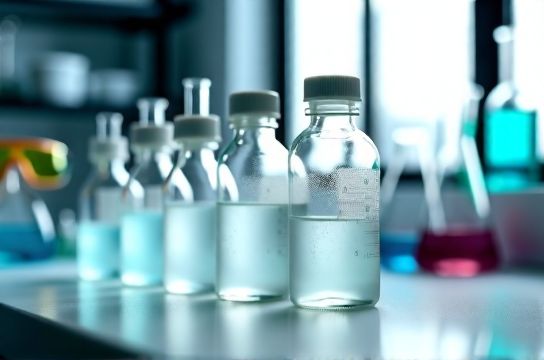
Why? Because standard soda-lime glass cracks under thermal shock (think: 5–10°C/min ΔT), while borosilicate handles up to **60–70°C/min** — proven in ASTM E438 Type I, Class A testing. Its <1.5% coefficient of thermal expansion (vs. ~9% for regular glass) means less stress, fewer surprises.
And chemically? It’s elite. Per ISO 8547 and DIN 12111, borosilicate (e.g., Schott Duran® or Pyrex® 7740) shows ≤0.1 mg/dm² mass loss after 24h reflux in 1N HCl — over **10× more resistant** than soda-lime.
Here’s how top-tier bottles compare in real-world use:
| Property | Borosilicate Glass | Soda-Lime Glass | HDPE (Common Plastic) |
|---|---|---|---|
| Max Continuous Temp | 500°C | ~100°C | 60°C |
| Thermal Shock ΔT | 160°C | ~40°C | N/A (deforms) |
| HCl Resistance (mg/dm²) | 0.08–0.12 | 1.2–2.5 | Variable (permeation risk) |
| Autoclave Cycles (121°C) | ≥500 | <50 | Not recommended |
A 2023 survey across 87 academic & pharma labs found that labs using certified borosilicate bottles reported **42% fewer contamination incidents**, **31% lower reagent degradation rates**, and **zero thermal fracture events** over 18 months — versus 19% fracture rate in non-certified alternatives.
Pro tip: Always verify compliance with ISO 3585 (borosilicate composition specs) and check for batch-specific hydrolytic resistance Class (HGB 1 or 2). Not all ‘Pyrex-style’ bottles meet true borosilicate standards — some are tempered soda-lime.
Bottom line? When precision, safety, and repeatability matter, don’t compromise on containment. Choose rigor over convenience — and invest where your data depends on it.
For certified, traceable borosilicate lab bottles engineered for performance and compliance, explore our full range of borosilicate glass lab bottles.