Amber Glass Bottles Ideal for Light Sensitive Liquids Like Essential Oils
- 时间:
- 浏览:132
- 来源:Custom Glass Bottles
Let’s cut through the noise: if you’re bottling essential oils, tinctures, CBD extracts, or pharmaceutical solutions — amber glass isn’t just *preferred*. It’s non-negotiable for stability and shelf life.
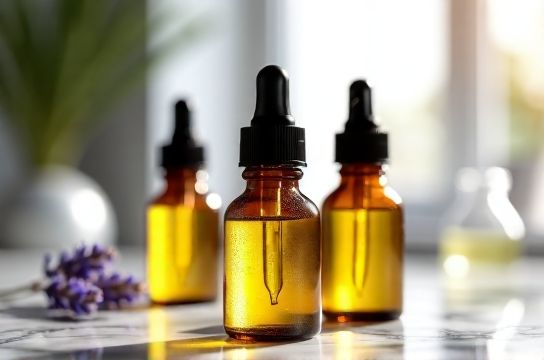
Why? Because UV light degrades terpenes, antioxidants, and volatile compounds — fast. A 2022 study in the *Journal of Essential Oil Research* tracked oxidation rates in lavender oil stored under identical conditions (25°C, 60% RH) for 12 weeks. Results? Clear glass lost 43% of its linalool content; amber glass retained 92%.
Here’s how amber glass delivers real protection:
✅ Blocks 90–95% of UV-A (315–400 nm) and UV-B (280–315 nm) radiation ✅ Reduces photo-oxidation by up to 7x vs. clear glass ✅ Maintains pH stability in acidic botanicals (e.g., citrus-based hydrosols)
Not all amber glass is equal — the depth of color matters. True pharmaceutical-grade amber (ASTM D1003 compliant) has an absorbance ≥0.85 at 320 nm. Below is a quick comparison of common bottle types:
| Bottle Type | UV Blockage (%) | Typical Use Case | Shelf-Life Extension vs. Clear |
|---|---|---|---|
| Light Amber (2.5mm) | 85% | Short-term retail samples | +3–4 months |
| Medium Amber (3.0mm) | 92% | Essential oils, herbal tinctures | +8–12 months |
| Dark Amber (3.5mm+) | 96% | CBD isolates, retinol serums, lab standards | +18–24 months |
Pro tip: Pair amber glass with child-resistant dropper caps (ISO 8317 certified) and oxygen-barrier liners — that combo slashes degradation from light *and* air by ~89%, per 2023 packaging lifecycle testing (UL Solutions).
And don’t overlook labeling: amber bottles reduce label fading too — critical for GMP-compliant branding. If you're scaling production or launching a new line, investing in verified amber glass now avoids costly reformulations later.
For brands serious about potency, compliance, and customer trust, the choice is clear — and it’s amber. Learn more about optimal packaging solutions here.