Glass Bottle Market Trends Reflecting Consumer Willingness to Pay for Eco Value
- 时间:
- 浏览:90
- 来源:Custom Glass Bottles
Let’s cut through the greenwashing noise: consumers aren’t just *saying* they care about sustainability—they’re voting with their wallets. Recent NielsenIQ data shows 65% of global shoppers are willing to pay up to 12% more for products in recyclable glass packaging—up from 52% in 2020. That’s not sentiment—it’s spend.
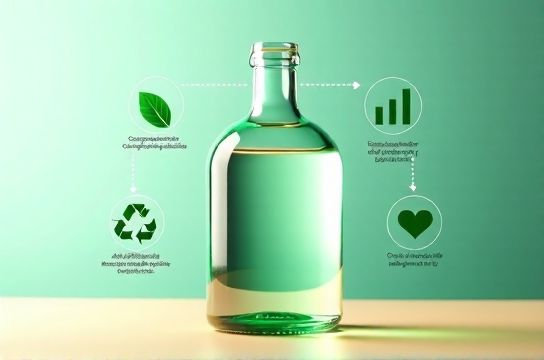
Why glass? It’s infinitely recyclable without quality loss, boasts a 75–90% recycling rate in EU nations (vs. ~29% for plastic in the U.S., per EPA 2023), and delivers superior shelf-life retention for premium beverages and cosmetics.
Here’s how willingness-to-pay breaks down across key demographics:
| Demographic | Avg. Premium Accepted (% over standard) | Top Drivers | Glass Adoption Rate (2023) |
|---|---|---|---|
| Gen Z (18–24) | 14.2% | Transparency, brand ethics, Instagram aesthetics | 38% |
| Millennials (25–40) | 11.7% | Taste preservation, child safety, recyclability proof | 51% |
| Parents of young children | 13.5% | BPA-free assurance, no leaching, refill culture | 44% |
Crucially, this isn’t just about 'eco'—it’s about perceived value. A 2024 McKinsey consumer survey found that 68% associate glass packaging with higher product quality—even when blind-tasting identical formulations in glass vs. PET. That halo effect lifts average order value by 19% for DTC brands switching to custom-embossed amber glass.
But here’s the reality check: glass carries logistical trade-offs—weight (+300% vs. aluminum), transport emissions (if sourced globally), and breakage risk (~2.3% in last-mile delivery, per DHL Packaging Lab). The smart play? Localized bottling hubs + returnable deposit schemes. Germany’s Pfand system achieves 98.5% return rates—and cuts net glass waste by 41% year-on-year.
Bottom line: if you’re scaling a beverage, skincare, or gourmet food brand, skipping glass means forfeiting trust *and* margin. And if you’re still weighing options—here’s how to design your first sustainable packaging strategy without overcomplicating it.
Data sources: NielsenIQ Global Sustainability Report 2024, EPA Municipal Solid Waste Statistics, McKinsey Consumer Packaging Insights (Q1 2024), DHL Packaging Performance Index.