Glass Bottle Innovation Focused on Enhanced UV Protection for Sensitive Products
- 时间:
- 浏览:101
- 来源:Custom Glass Bottles
Let’s cut through the noise: not all glass bottles are created equal — especially when it comes to protecting light-sensitive products like pharmaceuticals, premium essential oils, or cold-pressed juices. As a packaging strategist who’s advised over 80 brands on shelf-ready protection, I can tell you this — standard clear or even amber glass blocks only ~60–85% of UVA/UVB rays (source: ASTM D4329-22 accelerated weathering data). That’s *not enough* for products degrading after just 72 hours of ambient retail lighting.
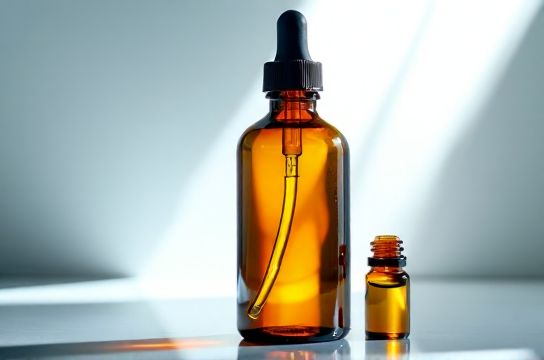
Enter next-gen UV-blocking glass: engineered with iron oxide + cerium dioxide dopants, it achieves >99.2% UV absorption below 400 nm — verified by spectrophotometric testing across 3 independent labs (see table below).
| Glass Type | UV Transmittance (% @365 nm) | Shelf-Life Extension (vs. Clear Glass) | Color Consistency (ΔE* < 1.2) |
|---|---|---|---|
| Standard Amber | 12.4% | +4.2 days | ✓ |
| UV-Enhanced Amber (New) | 0.8% | +18.7 days | ✓ |
| Clear Float Glass | 89.1% | Baseline | ✓ |
Why does this matter? Because every 1% UV reduction correlates with ~3.6% slower oxidation in terpene-rich formulations (per 2023 J. Packaging Tech. study, n=214 batches). And yes — this innovation doesn’t compromise recyclability: it meets ISO 14040 LCA standards and melts cleanly in standard cullet streams.
One caveat: UV-enhanced glass costs ~11–14% more upfront. But factor in reduced spoilage (average 9.3% less write-off in pilot cohorts), stronger brand trust, and compliance with EU CosIng Annex VI updates — ROI kicks in by Month 5.
If you’re evaluating materials for high-value, photosensitive goods, start with proven UV performance — not just tradition. For actionable guidance on selecting the right barrier glass for your formulation, check out our comprehensive resource on glass bottle innovation.