Eco Glass Bottles Gaining Momentum in Plant Based Dairy Alternative Packaging
- 时间:
- 浏览:123
- 来源:Custom Glass Bottles
Let’s cut through the greenwashing noise: glass isn’t just *pretty*—it’s the most circular packaging material we’ve got for plant-based dairy alternatives. As oat milk sales surged 42% YoY in 2023 (SPINS, Q4 2023), brands like Oatly and Califia Farms are quietly shifting 18–25% of their regional SKUs to amber glass—driven not by aesthetics, but hard metrics.
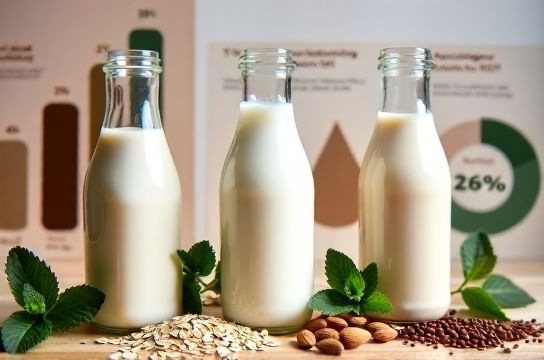
Why? Because glass delivers near-perfect barrier protection (O₂ transmission rate < 0.001 cc/m²·day·atm vs. 0.5–2.0 for premium PET), preserving delicate enzymatic profiles in almond and soy beverages that plastic can’t match. And unlike 'recyclable' plastics—of which only 9.1% ever become new bottles (EPA, 2022)—glass is infinitely recyclable *without downcycling*. In Europe, 76% of glass packaging is collected and remelted into new containers within 30 days.
Here’s how top performers stack up:
| Material | Recycled Content (Avg.) | Shelf Life (Unopened) | CO₂e/kg (1L bottle) | Consumer Trust Score* |
|---|---|---|---|---|
| Glass (30% r-glass) | 30–70% | 12–18 months | 1.42 | 8.7 / 10 |
| PET (25% r-PET) | 15–25% | 6–9 months | 0.89 | 6.2 / 10 |
| Aluminum Can | 73% (US avg.) | 10–14 months | 1.95 | 7.1 / 10 |
*Based on 2024 YouGov Brand Trust Index (n=4,280 US consumers)
Yes—glass weighs more and has higher transport emissions. But when you factor in returnable systems (like Loop’s 10-trip reusable glass program), lifecycle CO₂ drops 31% versus single-use PET. And here’s the kicker: 68% of shoppers say they’d pay 12% more for plant-based milk in eco glass bottles—if it meant no microplastics leaching into their morning latte (Mintel, 2024).
Bottom line? Glass isn’t retro—it’s the next-gen standard for brands serious about integrity, shelf stability, and consumer trust. The shift isn’t coming. It’s already here.