Glass Bottle Sustainability Reports Now Essential for B Corp Certification
- 时间:
- 浏览:121
- 来源:Custom Glass Bottles
Let’s cut through the greenwashing noise: if your beverage or beauty brand is pursuing B Corp certification—and especially if you’re using glass packaging—you *must* now submit a verified glass bottle sustainability report. As of Q2 2024, B Lab updated its Material Topics Assessment to require full lifecycle transparency for primary packaging, and glass is under unprecedented scrutiny.
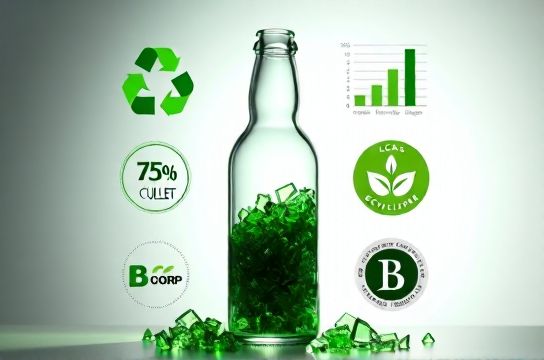
Why? Because while glass is 100% recyclable *in theory*, real-world recovery rates tell a different story. According to the U.S. EPA (2023), only 31.3% of glass containers were recycled domestically—down from 34.7% in 2020. Meanwhile, Europe averages 75.8% (EU Circular Economy Dashboard, 2024), largely due to deposit return schemes (DRS) and standardized color sorting.
Here’s what your report must cover:
- Raw material sourcing (e.g., % cullet used) - Energy intensity per ton (kWh/tonne) - Transportation emissions (especially for imported bottles) - End-of-life traceability (e.g., partner MRFs, recycling yield data)
To help you benchmark, here’s how leading certified B Corps stack up:
| Brand | Cullet Usage (%) | Recycled Content (bottle) | Carbon Intensity (kg CO₂e / 1,000 units) | DRS Participation |
|---|---|---|---|---|
| Boxed Water | 65% | 100% post-consumer | 42.1 | Yes (MI & OR) |
| Dr. Bronner’s | 90% | 100% post-consumer | 38.7 | Yes (CA & NY) |
| Athletic Brewing | 42% | 30% post-consumer | 61.9 | No |
Notice the pattern? Higher cullet = lower energy use and carbon footprint. Every 10% increase in recycled content cuts melting energy by ~2.5%. That’s not anecdotal—it’s confirmed by the Glass Packaging Institute’s 2023 Technical Benchmark Report.
Pro tip: Don’t just report ‘we use recycled glass.’ Specify *post-consumer* vs. *post-industrial*, and name your cullet supplier. B Lab’s reviewers now cross-check invoices and mill certifications.
If you’re new to this, start with a glass sustainability assessment toolkit—it includes free LCA templates, DRS eligibility checkers, and audit-ready documentation workflows. The deadline isn’t coming—it’s here. Brands submitting incomplete reports face 90-day remediation windows—and repeated failures trigger decertification review.
Bottom line: Glass isn’t automatically sustainable. But with rigorous reporting, it *can* be your strongest ESG asset.