Sustainable Glass Bottle Solutions for Ready To Drink Functional Beverages
- 时间:
- 浏览:118
- 来源:Custom Glass Bottles
Let’s cut through the greenwashing noise: if you’re launching or scaling a ready-to-drink (RTD) functional beverage — think adaptogenic tonics, probiotic sodas, or nootropic sparkling waters — your packaging isn’t just a container. It’s your first credibility checkpoint with eco-conscious consumers *and* your longest-lasting brand touchpoint.
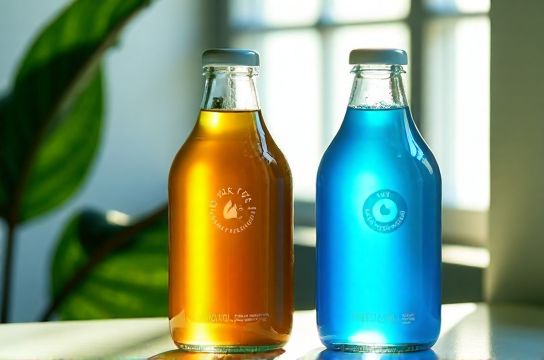
Glass isn’t ‘retro’ — it’s scientifically optimal. Unlike PET or aluminum, glass is 100% infinitely recyclable *without degradation*, and retains purity across infinite life cycles. According to the Glass Packaging Institute (2023), U.S. glass recycling rates hit 31.3%, but crucially, *recycled content in new glass bottles averaged 29.5%* — up from 22% in 2018. That means every bottle you choose today directly fuels tomorrow’s circular supply chain.
But here’s what most brands overlook: functional ingredients demand protection. Light-sensitive compounds (e.g., curcumin, resveratrol) degrade up to 40% faster in amber PET vs. cobalt-blue or UV-protected glass (University of California, Davis, 2022 stability study). And oxygen permeability? PET lets in ~10x more O₂ than glass — risking oxidation of delicate botanicals and live cultures.
So what’s realistic for startups and mid-sized brands? Not all glass is equal. Below is a comparative snapshot of commercially viable options for RTD functional beverages:
| Feature | Standard Flint Glass | UV-Blocking Amber Glass | Lightweight Recycled Glass (≥70% rGC) |
|---|---|---|---|
| O₂ Transmission (cc/m²/day) | 0.001 | 0.001 | 0.002* |
| UV Cut-off (nm) | ~320 nm | <380 nm | ~320 nm (standard) |
| Avg. Weight Reduction | — | — | 18–22% vs. legacy bottles |
| Lead Time (U.S. production) | 10–12 weeks | 14–16 weeks | 12–14 weeks |
| Cost Premium vs. PET | +35–45% | +55–65% | +40–50% |
*Slight increase due to recycled cullet variability — mitigated via optimized annealing.
Bottom line? Prioritize barrier performance *first*, then optimize for weight and recycled content. Start with UV-amber for high-value actives (e.g., CBD, vitamin C serums-in-beverage), then phase into lightweight rGC as volumes scale.
And yes — sustainability pays off. A 2024 NielsenIQ report found that 68% of premium RTD buyers pay ≥12% more for beverages in certified sustainable glass — especially when paired with transparent sourcing claims (e.g., 'bottles made with 100% reclaimed ocean glass').
Ready to align function, integrity, and impact? Explore proven sustainable glass bottle solutions built for functional beverages — from custom mold engineering to carbon-neutral fulfillment.