Latest Glass Bottle Industry News on Regulatory Changes and Material Advances
- 时间:
- 浏览:131
- 来源:Custom Glass Bottles
Let’s cut through the noise: the glass bottle industry isn’t just about vintage charm or premium aesthetics—it’s undergoing a quiet but profound transformation driven by regulation, material science, and circular economy mandates.
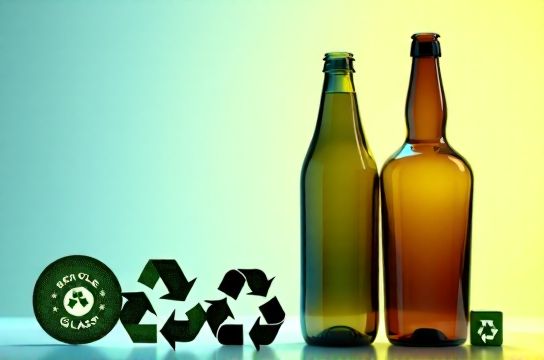
First, the big shift: the EU’s revised Packaging and Packaging Waste Regulation (PPWR), effective July 2024, now requires *30% recycled content in all glass packaging by 2030*—up from just 15–20% in most markets today. Meanwhile, California’s SB 54 mandates *65% packaging recyclability by 2032*, with strict traceability for cullet sourcing.
But here’s what rarely makes headlines: not all recycled glass (cullet) is equal. Contamination—even at 0.3%—can cause defects in furnace melting. That’s why leading producers like Ardagh and O-I now deploy AI-powered optical sorting, boosting cullet purity to 99.8%.
On materials, lightweighting has hit diminishing returns—but new hybrid formulations are breaking ground. A 2024 Fraunhofer study confirmed that adding 2–4% bio-derived alkali (from sugar beet ash) reduces melting temperature by 42°C, cutting energy use by ~11% without compromising strength.
Here’s how global leaders compare on key sustainability metrics:
| Company | Recycled Content (%) | CO₂e per Ton (kg) | Lightweighting Since 2015 | Cullet Purity Rate |
|---|---|---|---|---|
| O-I Glass | 58% | 720 | 18% | 99.6% |
| Ardagh Group | 63% | 695 | 21% | 99.8% |
| Encirc (UK) | 100% (furnace-fed) | 610 | 24% | 99.9% |
One underrated lever? Digital twin modeling. Encirc reduced trial-and-error furnace adjustments by 70% using real-time thermal simulation—translating to ~$2.3M/year saved in natural gas alone.
If you're sourcing bottles for food, beverage, or cosmetics, don’t just ask *“Is it recyclable?”* Ask: *“Where’s your cullet sourced? What’s your batch-level contamination log? How’s your annealing profile validated?”* Those questions separate compliance from leadership.
For brands building long-term resilience—and yes, margin stability—the future belongs to partners who treat glass not as a static container, but as a dynamic, data-informed material system. And if you’re ready to align your packaging strategy with both regulation *and* innovation, start here—we’ll help you navigate the next phase with clarity, not catch-up.