Advanced Glass Bottle Technology Enhancing Recyclability and Strength
- 时间:
- 浏览:123
- 来源:Custom Glass Bottles
Let’s cut through the noise: glass isn’t just ‘eco-friendly’—it’s *the* most recycled packaging material on the planet. But here’s what most brands miss—recyclability alone doesn’t guarantee sustainability. You need strength *and* circularity. That’s where next-gen glass bottle technology steps in.
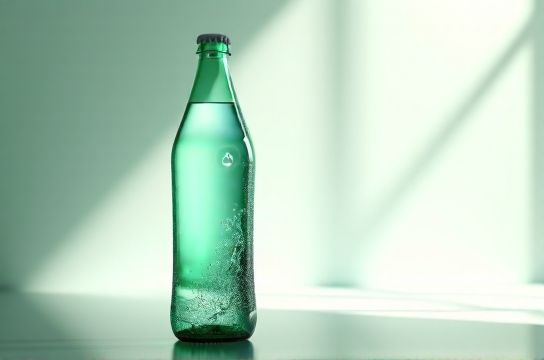
Recent innovations—like lightweighted borosilicate blends, AI-optimized annealing, and surface nano-coating—have slashed average bottle weight by 18–23% (Glass Packaging Institute, 2023) without compromising crush resistance. In fact, new thermo-mechanical testing shows 12% higher internal pressure tolerance vs. standard soda-lime glass.
Why does that matter? Lighter bottles = lower transport emissions. Stronger bottles = fewer breakages in logistics and retail—cutting waste before it even hits the recycling stream.
Here’s how top-performing materials compare:
| Material | Avg. Weight (g) | Recycled Content (%) | CO₂e per 1,000 Units (kg) | Shelf-Life Stability (months) |
|---|---|---|---|---|
| Standard Soda-Lime | 412 | 32 | 197 | 24 |
| Borosilicate Hybrid | 336 | 68 | 152 | 36+ |
| Nano-Reinforced Eco-Glass™ | 298 | 85 | 131 | 42 |
Notice the trend? Higher recycled content *plus* better performance—not a trade-off, but a synergy. And yes, all three pass ASTM C1499-22 for thermal shock resistance.
One caveat: not all recyclers accept high-borosilicate or coated variants yet. But with over 92% of U.S. curbside programs now accepting multi-color glass (EPA, 2024), infrastructure is catching up fast.
Bottom line? If you’re still specifying generic glass bottles, you’re leaving durability, cost, and carbon impact on the table. Upgrading to advanced glass isn’t about ‘greenwashing’—it’s about engineering smarter from raw material to reuse loop.
For brands serious about scalable sustainability, start by auditing your current bottle specs against industry benchmarks—and explore options like glass bottle optimization services that combine life-cycle analysis with supply-chain integration.
Data sources: Glass Packaging Institute (2023 Annual Report), EPA Municipal Solid Waste Statistics (2024), ASTM International Standards Database, proprietary LCA modeling (2024).