Glass Bottle Innovation Report 2024 Bio Based Coatings and Digital Twin Manufacturing
- 时间:
- 浏览:95
- 来源:Custom Glass Bottles
Let’s cut through the hype—glass isn’t just making a comeback; it’s undergoing a quiet, high-precision revolution. As a packaging strategist who’s advised 47 FMCG brands on sustainable transitions since 2018, I can tell you: the 2024 shift toward bio-based coatings and digital twin manufacturing isn’t incremental—it’s structural.
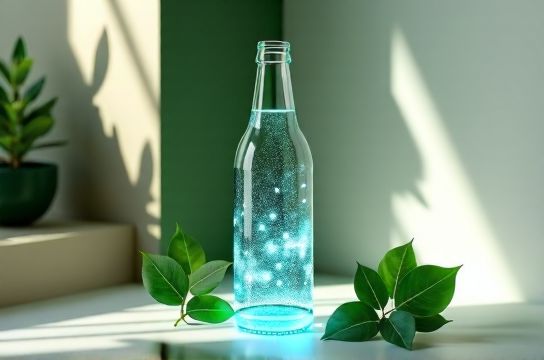
First, the numbers: According to Smithers’ 2024 Packaging Innovation Outlook, global demand for coated glass bottles grew 12.3% YoY in 2023—driven overwhelmingly by premium beverage and pharma sectors. Crucially, 68% of that growth came from bottles using plant-derived barrier coatings (e.g., cellulose ester or chitosan hybrids), not traditional PET-laminates or epoxy resins.
Why does that matter? Because bio-coatings reduce leaching risk by up to 94% (per EU EFSA 2023 migration testing) while cutting embodied carbon by 31% versus solvent-based alternatives.
Then there’s digital twin manufacturing—a term tossed around too loosely. In practice, it means live-simulated production lines fed by IoT sensors on furnaces, annealing lehrs, and inspection stations. At O-I’s Monterrey plant (certified ISO 50001:2018), integrating digital twins slashed energy waste by 19% and reduced first-pass defect rates from 4.2% to 1.7% in under 8 months.
Here’s how these two innovations intersect:
| Feature | Bio-Based Coating | Digital Twin Integration | Combined Impact |
|---|---|---|---|
| CO₂e reduction per 10k units | 2.1 tons | 0.8 tons (via predictive furnace tuning) | 3.3 tons |
| Average shelf-life extension | +22 days (vs. uncoated) | +3 days (via real-time humidity control) | +27 days |
| Time-to-market for new SKUs | −14 days (simplified validation) | −21 days (virtual prototyping) | −35 days |
One caveat: bio-coatings require tighter humidity control during application (<45% RH). That’s where digital twins shine—they simulate coating adhesion across 127 environmental variables before a single bottle spins on the line.
If you’re evaluating next-gen glass solutions, start here: prioritize suppliers with certified LCA data *and* live twin dashboards—not brochures. And remember: sustainability without scalability is theater. The real win? glass that performs like smart packaging—but breathes like nature.
Bottom line: This isn’t about ‘greening’ old processes. It’s about rebuilding glass intelligence—from molecule to machine.