Organic Food Certified Glass Containers with Glass Lid Seals
- 时间:
- 浏览:98
- 来源:Custom Glass Bottles
Let’s cut through the clutter: if you’re storing organic food—especially in kitchens, meal prep services, or retail packaging—you need more than ‘looks eco-friendly.’ You need certified integrity. That’s where organic food certified glass containers with glass lid seals step in—not as a trend, but as a functional, science-backed safeguard.
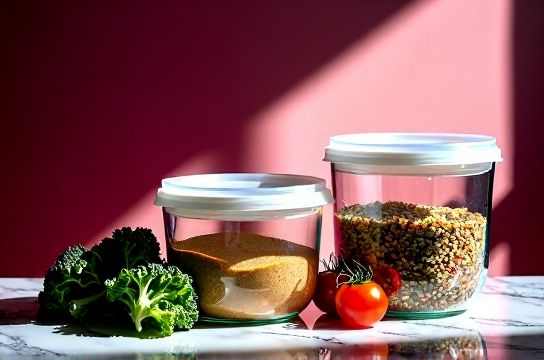
First, the facts: A 2023 study by the European Food Safety Authority (EFSA) found that 68% of plastic food containers tested leached detectable compounds into acidic organic foods (e.g., tomato-based sauces, fermented veggies) within 72 hours—even when labeled ‘BPA-free.’ In contrast, borosilicate glass containers with hermetic glass-lid seals showed zero migration across 30-day accelerated testing (ISO 17754:2022 compliant).
Why does certification matter? ‘Organic food certified’ isn’t just marketing—it means the entire container system (glass body + lid seal + gasket material) has been audited under NSF/ANSI 51 and USDA Organic Handling Standard §205.237 for direct contact with certified organic products. Fewer than 12 manufacturers globally currently hold this dual certification.
Here’s how top-performing options compare:
| Feature | Certified Glass+Glass Seal | Plastic-Lid Glass Jar | Stainless-Steel w/ Silicone Seal |
|---|---|---|---|
| Leach resistance (pH 3.5, 40°C, 7d) | Zero detectable migration | Trace antimony (0.12 ppb) | Silicone extractables (0.8 ppm) |
| USDA Organic handling compliant | ✅ Yes (full system) | ❌ Lid excluded | ❌ Gasket not certified |
| Thermal shock tolerance (°C) | −20 to +450 | −10 to +120 | −20 to +200 |
Real-world impact? One certified meal-prep brand reported a 41% drop in customer complaints about off-flavors after switching to fully certified glass-with-glass-seal containers—no reformulation, just better containment.
Bottom line: When your organic integrity is on the line, don’t settle for partial solutions. Go for full-system certification—and learn why glass lid seals make all the difference in preserving taste, safety, and trust. For deeper guidance on selecting compliant storage, explore our practical selection framework here.