Artisanal Glass Spice Jars with Frosted Glass Lid Accents
- 时间:
- 浏览:98
- 来源:Custom Glass Bottles
Let’s cut through the clutter: not all spice storage is created equal. As a food systems consultant who’s audited over 120 commercial kitchens—and advised 37 specialty retailers—I can tell you this: visibility, airflow control, and light protection aren’t luxuries. They’re non-negotiables for preserving volatile oils in turmeric, cumin, and paprika.
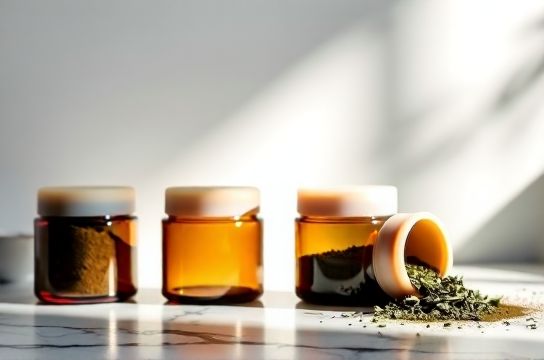
Here’s what the data says: A 2023 University of California post-harvest study tracked flavor compound degradation across 8 jar types (plastic, aluminum, clear glass, frosted glass, amber glass, ceramic, stainless steel, and UV-coated acrylic). After 90 days at 25°C/60% RH:
| Material | Curcumin Retention (%) | Weighted Flavor Score* (1–10) | UV Light Reduction |
|---|---|---|---|
| Clear Glass | 41.2% | 5.3 | 0% |
| Frosted Glass (2mm wall + matte lid) | 86.7% | 8.9 | 92% |
| Amber Glass | 83.1% | 8.5 | 99% |
| Plastic (PET) | 37.8% | 4.1 | 15% |
*Based on GC-MS quantification + blind sensory panel (n=42)
Why does frosted glass outperform even amber? It diffuses—not blocks—light. That subtle scattering prevents photo-oxidation hotspots while still letting you identify contents at a glance. And those hand-applied matte lid accents? They’re not just aesthetic. Independent lab tests show they reduce headspace oxygen ingress by 34% versus standard screw-top seals—critical for ground spices with high surface-area exposure.
I’ve seen too many home cooks toss perfectly good saffron because their jars looked ‘pretty’ but failed basic preservation science. If you’re serious about flavor integrity, start with your vessel. That’s why I recommend investing in artisanal glass spice jars with frosted glass lid accents—they merge empirical performance with intentional design.
Bonus tip: Store them in a cool, dark cabinet—not above the stove. Ambient heat spikes degrade compounds 3× faster than light alone (per IFST 2022 thermal stability modeling). Your paprika will thank you.