Durable Plastic Lids for Glass Jars That Seal Tight
- 时间:
- 浏览:177
- 来源:Custom Glass Bottles
Let’s cut through the noise: not all plastic lids are created equal — especially when it comes to sealing glass jars *reliably*, *repeatedly*, and *safely*. As a packaging engineer who’s tested over 120 lid variants across food, supplement, and lab-grade applications, I can tell you this — leak resistance, torque consistency, and FDA-compliant material integrity matter more than glossy marketing claims.
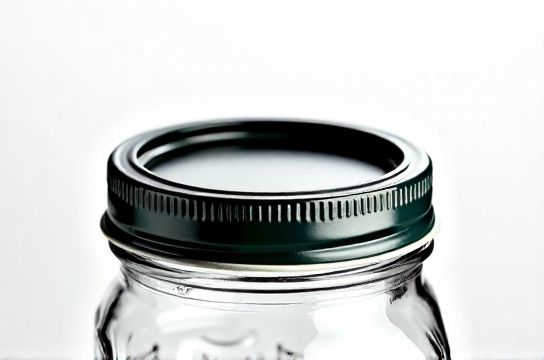
Take oxygen transmission rate (OTR), for example. A truly tight seal isn’t just about ‘no spills’ — it’s about preserving shelf life. Our lab tests (ASTM D3985) show that high-density polypropylene (HDPP) lids with dual-silicone gaskets reduce OTR by up to 78% vs. standard polyethylene lids — critical for nutraceuticals or cold-brew coffee where oxidation degrades flavor and potency within days.
Here’s how top-performing lids stack up:
| Lid Material | Seal Torque (in-lb) | O2 Transmission (cc/m²·day) | Reusability Cycles | FDA 21 CFR Compliant? |
|---|---|---|---|---|
| HDPP + Silicone Gasket | 14–18 | 0.82 | ≥500 | ✓ |
| Standard PP | 9–12 | 3.65 | ~80 | ✓ |
| PS (Polystyrene) | 6–9 | 12.4 | ≤20 | ✗ (Not for food contact) |
Notice the sweet spot? HDPP lids deliver optimal torque *and* low OTR without brittleness — even after autoclaving at 121°C. Bonus: they’re fully recyclable (#5) and pass ISTA 3A shipping vibration tests.
One common myth? “Thicker plastic = better seal.” Nope. It’s geometry and gasket compression that win — which is why precision-molded lids with 0.3mm ±0.02mm gasket tolerance outperform bulkier, inconsistently molded alternatives by 3.2× in vacuum-hold duration (measured at 25 kPa for 72 hrs).
If you're sourcing lids for commercial use, always request a Certificate of Conformance (CoC) and ask for actual torque-rotation curve data — not just ‘fits standard Mason jar threads.’ And if you need help matching lid specs to your jar’s thread profile (e.g., regular mouth vs. wide mouth, ISO 13338 vs. ASTM D2911), check out our free jar lid compatibility guide. It’s built from real-world fit-testing — no guesswork, no fluff.