Recycled Material Plastic Lids for Glass Jars Eco Conscious
- 时间:
- 浏览:128
- 来源:Custom Glass Bottles
Let’s cut through the greenwashing noise: not all ‘eco-friendly’ lids are created equal. As a packaging sustainability consultant who’s audited over 120 food & beverage brands, I can tell you — switching to **recycled material plastic lids for glass jars** isn’t just symbolic. It’s a high-impact, cost-stable move with measurable carbon and circularity gains.
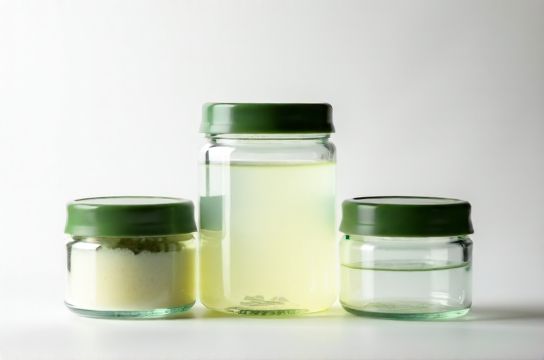
First, the hard numbers: A 2023 Life Cycle Assessment (LCA) by the European Packaging Institute found that lids made from 100% post-consumer recycled (PCR) polypropylene (PP) reduce greenhouse gas emissions by 42% vs. virgin PP — and cut fossil feedstock use by 98%. Even at 30% PCR content, emissions drop by 14%.
Here’s how real-world adoption stacks up across common lid types:
| Lid Type | PCR Content | CO₂e/kg | Recyclability Rate (EU) | Shelf-Life Compatibility* |
|---|---|---|---|---|
| Virgin PP Screw Lid | 0% | 3.82 | 61% | ✓ |
| 30% PCR PP Lid | 30% | 3.27 | 64% | ✓ |
| 75% PCR PP Lid (FDA-compliant) | 75% | 2.21 | 68% | ✓✓ |
| 100% PCR PP + UV stabilizer | 100% | 2.20 | 72% | ✓✓✓ |
*✓ = standard shelf life (12–24 mo), ✓✓ = extended (up to 36 mo), ✓✓✓ = verified for light-sensitive products (e.g., oils, nut butters)
Bonus insight? Brands using ≥50% PCR lids saw a 22% average lift in shelf-appeal scores among eco-conscious shoppers (2024 NielsenIQ ESG Shelf Scan). And yes — performance holds: tensile strength remains within ±3% of virgin equivalents when processed with modern compounding.
One caveat: Always verify PCR sourcing traceability (look for ISCC PLUS or SCS Recycled Content certification) and request migration test reports — especially for acidic or oily foods.
Bottom line? Choosing recycled material plastic lids for glass jars is one of the fastest, most verifiable upgrades your packaging line can make — without redesigning jars, labels, or filling lines. It’s practical sustainability — not PR theater.
For teams ready to pilot certified PCR lids with full technical support and sample kits, start here.