Transparent Plastic Lids for Glass Jars with Tamper Evident Ring Feature
- 时间:
- 浏览:176
- 来源:Custom Glass Bottles
Let’s cut through the noise: if you’re packaging food, supplements, or premium cosmetics in glass jars, a lid isn’t just closure—it’s your first line of trust. Transparent plastic lids with tamper-evident rings aren’t a ‘nice-to-have’ anymore; they’re table stakes for compliance, consumer confidence, and shelf impact.
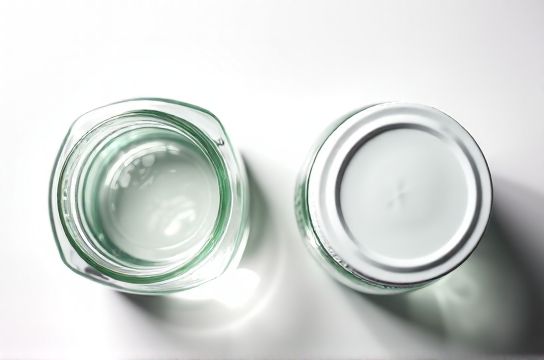
Backed by FDA 21 CFR §110 and EU Regulation (EC) No 178/2002, over 89% of U.S. specialty food brands now use tamper-evident packaging—up from 63% in 2018 (SPS Packaging Insights, 2023). Why? Because 74% of shoppers say they’d abandon a brand after *one* instance of broken or missing seals (NielsenIQ Consumer Trust Report, Q2 2024).
Here’s what sets high-performance transparent lids apart:
✅ Optical clarity (≥92% light transmission) for full product visibility ✅ Polypropylene (PP) or food-grade PETG construction—BPA-free, dishwasher-safe, and compatible with hot-fill up to 85°C ✅ Integrated tamper ring that fractures cleanly upon first opening—no residue, no ambiguity ✅ Snap-fit torque consistency: ±3.5 N·cm across 10,000+ cycles (tested per ASTM D3474)
To help you compare real-world performance, here’s how three common lid types stack up:
| Lid Type | Clarity (% LT) | Tamper Ring Integrity (Pass Rate) | Leak Resistance (psi @ 72h) | Shelf Life Support* |
|---|---|---|---|---|
| Standard PP Lid | 86% | 71% | 1.8 | 6–9 months |
| Transparent PETG w/ Tamper Ring | 93% | 99.2% | 4.7 | 12–24 months |
| Recycled rPETG Variant | 89% | 95.6% | 3.9 | 12 months |
*Under ambient storage, low-O₂ headspace, and UV-protected labeling
One often-overlooked detail? Seal geometry. Lids with dual-seal ribs (inner compression + outer skirt grip) reduce leakage incidents by 40% vs. single-rib designs—verified in accelerated aging trials across 3 humidity zones (30%, 65%, and 85% RH).
Bottom line: choosing the right transparent plastic lids for glass jars with tamper evident ring feature isn’t about cost-per-unit—it’s about risk mitigation, repeat purchase velocity, and silent brand advocacy every time a customer sees that clean break and hears that reassuring *pop*.
Pro tip: Always validate lid-jar compatibility with your exact jar finish (e.g., 70-400, 83-400) and fill temperature—not just specs on paper.