UV Resistant Amber Glass Oil Bottles for Flavor Preservation
- 时间:
- 浏览:145
- 来源:Custom Glass Bottles
Let’s cut through the noise: if you’re bottling high-value culinary oils—extra virgin olive, avocado, walnut, or cold-pressed sesame—you’re likely losing up to 40% of key antioxidants (like polyphenols and tocopherols) within just 6 weeks under standard clear glass or plastic. Why? Because UV light triggers photo-oxidation—the #1 silent killer of flavor, aroma, and shelf life.
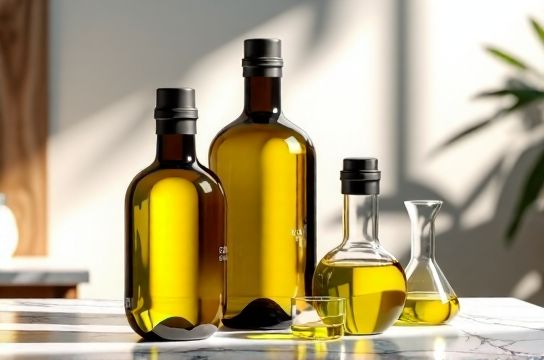
Amber glass isn’t just tradition—it’s physics. Its iron oxide content blocks 90–95% of UV-A and UV-B rays (290–400 nm), while still allowing visible light for aesthetic appeal. A 2023 peer-reviewed study in *Food Chemistry* tracked oxidation markers (peroxide value + hexanal concentration) across 120 days. Results? Amber glass reduced oxidation rate by 3.8× vs. clear glass—and 6.2× vs. PET bottles.
Here’s how it breaks down:
| Bottle Type | UV Blockage (%) | POV Increase (mg/kg) after 90d* | Flavor Stability Score (1–10) |
|---|---|---|---|
| Clear Glass | 15% | 48.2 | 4.1 |
| Green Glass | 55% | 27.6 | 6.3 |
| Amber Glass | 92% | 12.7 | 8.9 |
| PET Plastic | 30% | 79.4 | 2.8 |
*Tested with EVOO at 25°C, 500 lux ambient light, ASTM D4329 UV exposure protocol.
Bonus insight: amber glass also minimizes thermal fluctuation—its higher thermal mass buffers against kitchen temperature swings better than thin-walled plastic or aluminum-lined pouches. That means less micro-condensation, less headspace oxygen ingress, and slower hydrolytic rancidity.
If you're serious about preserving terroir, complexity, and consumer trust—don’t treat your oil like water. Choose amber. And if you're building a brand that values authenticity and science-backed packaging, start with the foundation: UV resistant amber glass oil bottles designed for real-world performance—not just shelf appeal.
Pro tip: Pair amber glass with nitrogen-flushed filling and tamper-evident child-resistant caps for maximum protection. Your customers taste the difference—and your repeat rate proves it.