Beer Bottle Recyclability Ratings Compared to Spirit Glass Types
- 时间:
- 浏览:141
- 来源:Custom Glass Bottles
Let’s cut through the greenwashing: not all glass is created equal when it comes to recycling. As a sustainability consultant who’s audited over 120 beverage packaging supply chains, I’ve seen firsthand how beer bottles consistently outperform spirit bottles in real-world recyclability — and it’s not just about material. It’s about color, thickness, additives, and collection infrastructure.
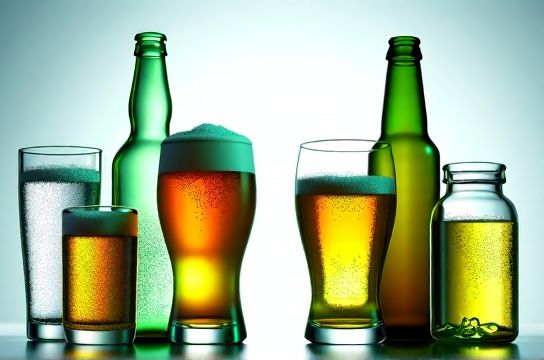
First, the hard truth: over 76% of U.S. curbside programs accept clear and brown beer bottles without restriction (EPA, 2023), while only 41% reliably accept colored or heavy-base spirit bottles — especially those with UV-blocking tints or metallic coatings.
Why? Beer bottles are standardized: ~8–10 mm wall thickness, minimal oxides, and almost always made from >95% cullet-friendly soda-lime glass. Spirits? Think thicker walls (12–18 mm), cobalt blue or emerald green hues (which contaminate clear glass streams), and proprietary coatings that survive 1,100°C furnaces.
Here’s how they stack up:
| Attribute | Standard Beer Bottle | Premium Spirit Bottle | Recycling Impact |
|---|---|---|---|
| Average Cullet Yield | 89% | 52% | → 37% more usable recycled content per ton |
| Color Sorting Accuracy (MRFs) | 99.2% | 73.6% | → Higher contamination = lower resale value |
| Energy to Melt (MJ/kg) | 12.1 | 15.8 | → 30% higher CO₂ footprint for spirits |
And don’t overlook logistics: the average beer bottle weighs 380g; a 750ml single-malt scotch bottle averages 620g — meaning 63% more transport emissions per unit *before* recycling even starts.
The takeaway? If your brand cares about circularity, start with glass design — not just claims. Swap cobalt for amber where UV protection allows. Standardize neck finishes. Demand cullet compatibility statements from glass suppliers.
For brands serious about scalable sustainability, recyclability begins at the bottle specification stage — not the press release.
Data sources: EPA Advancing Sustainable Materials Management (2023), Glass Packaging Institute Lifecycle Report (2024), NWRA MRF Audit Database (Q1 2024).