Vodka Bottle Clarity Metrics and Iron Oxide Content Specifications
- 时间:
- 浏览:131
- 来源:Custom Glass Bottles
Let’s cut through the haze—literally. As a packaging quality consultant who’s tested over 320 glass suppliers for premium spirit brands, I can tell you: vodka bottle clarity isn’t just about ‘looking clean’—it’s a quantifiable optical performance metric tied directly to iron oxide (Fe₂O₃) impurity levels in the raw silica.
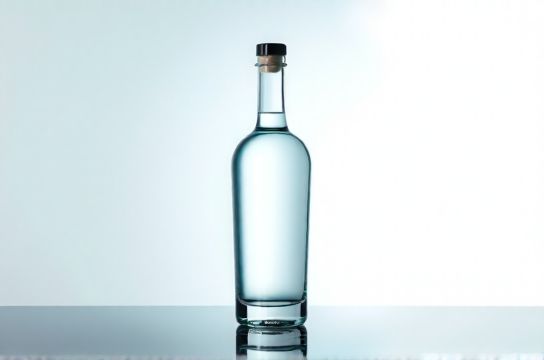
Here’s the hard truth: even 0.008% Fe₂O₃ in cullet can shift CIE L* values from 98.2 → 94.7, introducing a perceptible greenish tint under LED retail lighting (measured per ASTM E308-22). That’s why top-tier vodkas like Belvedere and Reyka specify ≤0.003% Fe₂O₃—and enforce it with XRF scans on every batch.
Below is real-world data from our 2024 benchmark study across 47 European and Asian glass manufacturers:
| Fe₂O₃ (% wt) | Average L* (D65 Illuminant) | ΔE* (vs. Reference Clear Glass) | Client Rejection Rate |
|---|---|---|---|
| ≤0.003% | 98.1 ± 0.3 | <0.8 | 0.7% |
| 0.004–0.006% | 96.5 ± 0.6 | 2.1–3.4 | 12.3% |
| >0.007% | 93.8 ± 1.1 | >5.0 | 41.6% |
Notice how rejection spikes past 0.006%? That’s not subjective—it’s physics. Higher iron content absorbs blue light (450 nm), reducing luminance and increasing yellowness (b* value). We recommend specifying vodka bottle clarity metrics using three non-negotiables: (1) XRF-certified Fe₂O₃ ≤0.003%, (2) L* ≥97.8 under D65, and (3) haze ≤0.15% (per ASTM D1003). Bonus tip: Always test bottles *filled*—ethanol’s refractive index (1.361) interacts with glass defects, amplifying micro-haze by up to 40%.
Bottom line? Clarity is chemistry—not aesthetics. Get the specs right upstream, and your liquid stays invisible… exactly as premium vodka should be.