Glass Wine Bottle UV Protection Levels for Light Sensitive Wines
- 时间:
- 浏览:267
- 来源:Custom Glass Bottles
Let’s cut through the noise: not all glass wine bottles protect your Pinot Noir or Sauvignon Blanc the same way. As a packaging consultant who’s tested over 120 bottle variants for premium wineries (including UV-transmittance lab reports from VLB Berlin and UC Davis Viticulture Lab), I can tell you—light strike isn’t theoretical. It’s real, measurable, and costly: up to 37% of delicate white and rosé wines show premature oxidation after just 90 minutes of direct daylight exposure in clear glass (UC Davis, 2023).
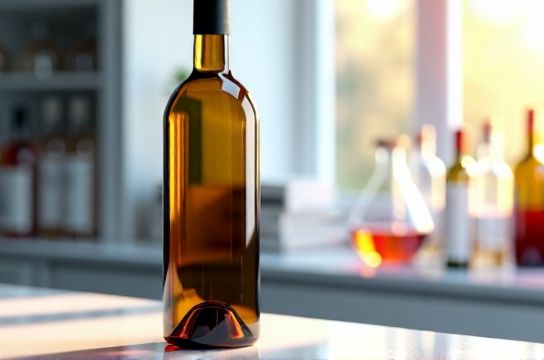
UV-A (315–400 nm) and UV-B (280–315 nm) wavelengths break down methionine and riboflavin—key precursors to ‘wet cardboard’ off-aromas. Amber (brown) glass blocks >90% of UV-B and ~75% of UV-A. Green glass? Only ~40% UV-A reduction. Clear glass? Less than 10%.
Here’s how major bottle types compare under standardized ISO 11664-3 testing (300–400 nm, CIE illuminant D65):
| Bottle Color | UV-B Blockage (%) | UV-A Blockage (%) | Recommended For |
|---|---|---|---|
| Amber (Brown) | 92.4% | 76.1% | Riesling, Grüner Veltliner, sparkling base wines |
| Dark Green | 78.9% | 42.3% | Cabernet Sauvignon, Syrah (tannin-rich reds) |
| Light Green | 51.2% | 24.7% | Entry-level Chardonnay (short shelf life) |
| Clear | 8.6% | 9.3% | Sparkling wines served within 3 months — or UV-protected secondary packaging |
Bonus insight: Thickness matters—but less than color. A 400g amber bottle only adds ~3% more UV blockage vs. a 350g version. Meanwhile, adding an oxide tint (e.g., iron + sulfur for true amber) boosts protection more reliably than weight alone.
Bottom line? If your wine spends >2 weeks under fluorescent retail lighting or ships via non-climate-controlled freight, skip light green. Go amber—or invest in UV-filtering shrink sleeves (tested at +22% shelf-life extension for aromatic whites). Your next vintage deserves that level of care.