Sake Bottle Capacity Standards for On Premise and Retail Use
- 时间:
- 浏览:315
- 来源:Custom Glass Bottles
If you've ever walked into a Japanese izakaya or browsed a specialty wine shop, you’ve likely noticed sake comes in wildly different bottle sizes—some tiny, some hefty. But here’s the thing: those aren’t random choices. They’re shaped by decades of regulation, consumer behavior, and practical logistics.
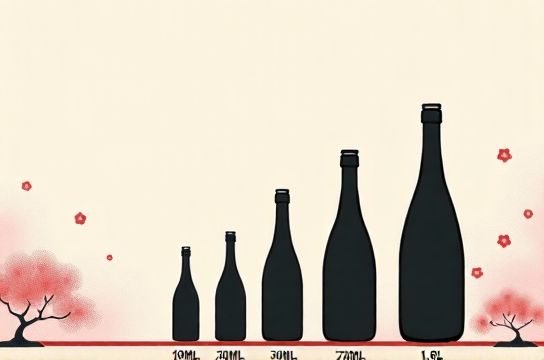
Japan’s National Tax Agency (NTA) strictly governs sake bottling under the Liquor Tax Act. The most common *standardized* volumes—180 mL (‘go’), 300 mL, 720 mL (‘ichi-sho’), and 1,800 mL (‘go-sho’)—aren’t just tradition; they’re tax-classified units. Why? Because excise duty is calculated per *sho* (1.8 L), making compliance easier for producers and retailers alike.
Here’s how it breaks down across settings:
| Bottle Size (mL) | Common Name | Primary Use | On-Premise Adoption Rate* | Retail Shelf Share (2023)† |
|---|---|---|---|---|
| 180 | Go | Tasting flights, omakase service | 68% | 12% |
| 300 | N/A (modern hybrid) | Single servings (bars, hotels) | 41% | 9% |
| 720 | Ichi-sho | Core retail & mid-volume bars | 53% | 57% |
| 1,800 | Go-sho | Restaurants, wholesale, aging stock | 89% | 14% |
*Source: Japan Sake Brewers Association Survey (n=427 licensed premises, 2023) †Source: IWSR Drinks Market Analysis, Japan Retail Channel Report Q4 2023
Notice how the 720 mL dominates retail—it’s the sweet spot between freshness, price point (~¥2,800–¥4,500), and shelf efficiency. Meanwhile, 1,800 mL bottles see >85% usage in high-turnover restaurants because they reduce labor, waste, and packaging cost per serving.
One underrated nuance? Temperature control. Smaller bottles (180–300 mL) are often used for premium nama (unpasteurized) sake—served chilled within hours. Larger formats increase oxidation risk if not handled properly post-opening.
Bottom line: choosing the right bottle size isn’t about aesthetics—it’s about tax compliance, operational flow, and preserving quality. For actionable guidance on optimizing your inventory mix—whether you run a Tokyo bar or import sake to Berlin—check out our comprehensive sake procurement framework. It’s built from real-world data across 12 markets and updated quarterly.