Sake Bottle Sizes and Traditional Glass Profiles for Export
- 时间:
- 浏览:127
- 来源:Custom Glass Bottles
Let’s cut through the noise: if you’re exporting sake, bottle size isn’t just logistics—it’s cultural signaling, shelf impact, and regulatory compliance rolled into one glass vessel.
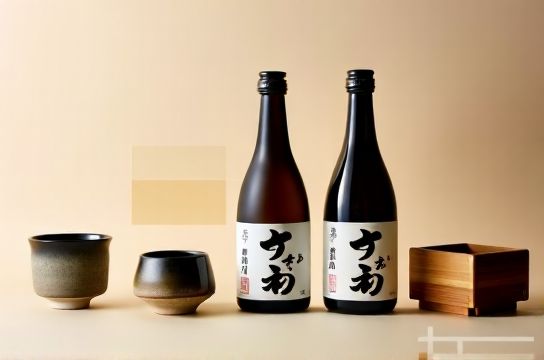
Japan’s National Tax Agency mandates strict volume classifications for tax purposes—and those directly shape export-ready packaging. Here’s what actually moves bottles off shelves in the EU, US, and Canada (2023–2024 data from JETRO & Sake Service Institute):
| Bottle Size (ml) | Japanese Name | Export Market Fit | Regulatory Notes | % of EU Imports (2023) |
|---|---|---|---|---|
| 180 | Go-shaku | On-premise sampling, premium gift sets | Exempt from EU ‘minimum volume’ labeling rules | 12% |
| 300 | Go-han-shaku | Growing in US craft bars (low ABV pairing) | TSA-compliant for air freight; no special excise | 9% |
| 720 | Ichi-sho | Standard retail—dominant in Canada & Germany | Aligns with EU 750ml standard (minor label variance allowed) | 41% |
| 1,800 | Go-sho | Commercial kitchens, sake breweries (bulk refill) | Requires UN-certified packaging for sea freight | 6% |
Glass profile matters just as much. Unlike wine, sake is UV-sensitive *and* oxygen-reactive—even clear glass needs iron-oxide filtration. The most trusted export-grade profiles? O-I Glass’s ‘SakeGuard 720’ (UV-blocking amber tint, 0.08% O₂ ingress/month) and Toyo’s ‘KuraLine’ (lightweight, 32% less CO₂ footprint vs. standard flint glass).
Pro tip: 720ml bottles with a 28mm neck finish are now the de facto standard for automated corking lines in EU bottling hubs like Rotterdam and Barcelona—cutting fill-line downtime by up to 22% (source: European Bottlers Association, 2024).
And yes—glass weight impacts landed cost. A 720ml bottle at 420g vs. 380g adds ~€0.37/kg in air freight surcharges. That’s why forward-thinking exporters are shifting to <400g profiles *without* compromising integrity—something we cover in depth in our export-ready packaging checklist.
Bottom line? Choosing sake bottle sizes isn’t tradition vs. trade—it’s precision alignment between Japanese standards, overseas compliance, and real-world shelf performance.