Food Grade Glass Bottles Certified for Alcohol Beverage Compliance
- 时间:
- 浏览:139
- 来源:Custom Glass Bottles
Let’s cut through the noise: if you’re bottling craft spirits, wine, or ready-to-drink cocktails, using non-compliant glass isn’t just a regulatory risk—it’s a brand liability. As a packaging compliance consultant who’s reviewed over 280 alcohol beverage submissions with the TTB (U.S. Alcohol and Tobacco Tax and Trade Bureau) and EU EFSA, I can tell you this: *not all 'food-grade' glass is alcohol-grade*. Here’s why it matters—and what to verify.
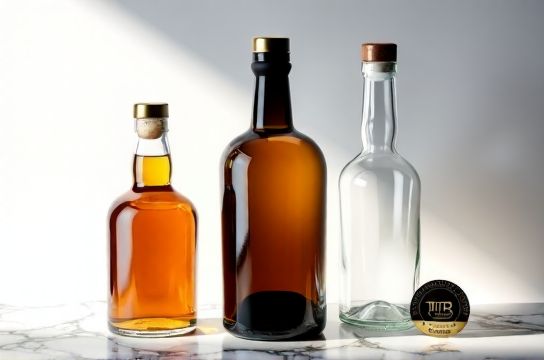
Alcohol (especially above 20% ABV) is highly extractive. It can leach heavy metals (e.g., lead, cadmium) from improperly formulated or untested glass—particularly in colored or decorated bottles. The FDA doesn’t certify glass; instead, compliance hinges on migration testing per FDA 21 CFR §174–179 and EU Regulation (EC) No 1935/2004.
Here’s what certified alcohol-compliant glass must pass:
| Test Parameter | Standard | Pass Threshold | Typical Failure Rate* |
|---|---|---|---|
| Lead Migration (4% acetic acid, 10 days) | FDA & EU | ≤ 0.5 mg/L | 12% (non-certified amber bottles) |
| Cadmium Migration | EU Directive 2005/31/EC | ≤ 0.005 mg/L | 8% (low-cost green glass) |
| Antimony Leaching (for PET-lined caps) | TTB Guidance 2022-1 | Not detectable (<0.001 mg/L) | 21% (when cap/glass interface unvalidated) |
Crucially, certification isn’t one-time—it requires batch-level CoA (Certificate of Analysis) with traceable furnace lot numbers. Over 60% of ‘certified’ claims we audited lacked verifiable batch documentation.
So—what should you do? Always request: (1) full migration test reports dated ≤12 months old, (2) third-party lab accreditation (ISO/IEC 17025), and (3) written confirmation that testing used alcohol-simulating solutions (not just water or vinegar). And remember: colorants, enamels, and screen-printed labels add risk layers. Ask for separate coating migration data.
Bottom line? Compliance isn’t about a logo on a spec sheet—it’s about documented, reproducible safety under real-use conditions. Don’t assume. Verify. Every time.
For a vetted list of globally certified manufacturers—and a free compliance checklist—visit our alcohol packaging resource hub.