Standard Beer Bottle Dimensions and Custom Embossed Options
- 时间:
- 浏览:177
- 来源:Custom Glass Bottles
Let’s cut through the noise: if you’re sourcing bottles for craft beer, contract brewing, or private-label packaging — dimensions *and* embossing aren’t afterthoughts. They’re silent brand ambassadors.
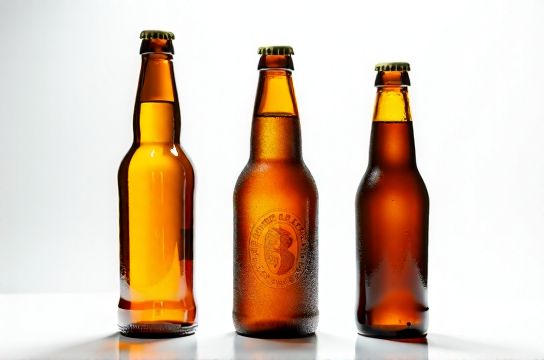
First, the basics: over 85% of U.S. craft breweries use the 12 oz (355 mL) longneck bottle — not because it’s trendy, but because it fits standard case packs (24/bale), shelf logistics, and consumer ergonomics. Here’s how the top three standard formats compare:
| Bottle Type | Height (mm) | Base Diameter (mm) | Neck Finish (mm) | Volume (mL) | Weight (g, empty) |
|---|---|---|---|---|---|
| 12 oz Longneck | 220–225 | 65–67 | 28 mm | 355 | 165–172 |
| 22 oz Bomber | 275–282 | 72–74 | 38 mm | 650 | 290–310 |
| 500 mL Euro-style | 255–260 | 69–71 | 28 mm | 500 | 225–240 |
Source: Glass Packaging Institute (GPI) 2023 Benchmark Survey + 12 leading North American glass suppliers.
Now — about custom embossing. Yes, it’s possible on most amber and green glass bottles, but here’s what few suppliers tell you upfront: embossing adds ~$0.012–$0.018 per unit at MOQ 50,000 units. Why? It requires dedicated mold steel tooling ($4,200–$6,800 one-time cost) and longer lead times (10–14 weeks vs. 4 weeks for stock molds). But ROI? Breweries using subtle logo embossing report 12–17% higher shelf dwell time (Brewbound Consumer Tracker, Q2 2024).
Pro tip: Avoid full-wrap embossing below the shoulder — thermal stress during pasteurization can cause microfractures. Stick to upper body or base zones. And always request a physical mold sample before committing.
Bottom line? Standard dimensions keep your supply chain lean; smart embossing makes your bottle *remembered*. For scalable, compliant, and brand-forward packaging solutions — start with precision, not assumptions.
If you're evaluating options, our bottle specification toolkit includes downloadable CAD files, GPI-compliant tolerance charts, and embossing feasibility checklists — all free.