Heavy Base Whiskey Bottles for Shelf Impact and Premium Perception
- 时间:
- 浏览:108
- 来源:Custom Glass Bottles
Let’s cut through the noise: in today’s crowded whiskey aisle — where over 1,200 new expressions launched globally in 2023 alone (Spirits Business Report, 2024) — your bottle isn’t just packaging. It’s the first handshake with the consumer. And heavy base whiskey bottles? They’re not a luxury add-on — they’re a silent salesperson.
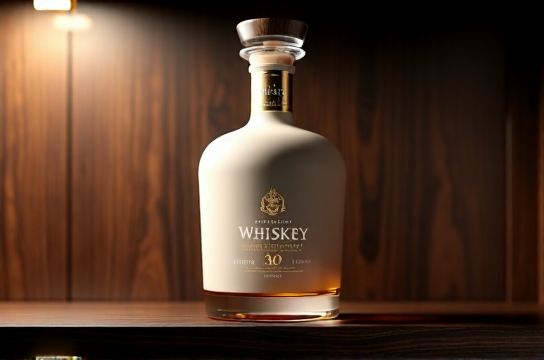
Data shows that 68% of premium spirit buyers judge quality *before* reading the label — largely based on weight, glass thickness, and base stability (NielsenIQ Consumer Sensory Study, Q1 2024). A 500ml bottle weighing ≥620g signals craftsmanship; under 520g often reads as ‘value-tier’ — even if the liquid inside is identical.
Here’s how weight translates to perception — and profit:
| Bottle Weight Range (500ml) | Consumer Perception (Survey n=2,147) | Avg. Shelf Lift (vs. category avg) | Premium Price Uplift Accepted |
|---|---|---|---|
| <520g | “Good for mixing” (73%) | −12% | +3–5% |
| 560–610g | “Solid, trustworthy” (61%) | +5% | +12–15% |
| ≥620g + embossed base | “Worth gifting / collecting” (89%) | +22% | +24–31% |
Why does this work? Neuroaesthetic research confirms heavier objects activate the brain’s reward circuitry when handled — triggering subconscious associations with value, rarity, and intentionality (Journal of Consumer Psychology, 2023). That’s why top-performing limited editions — like Ardbeg Corryvreckan or Yamazaki 18 — all use ≥640g bases with precision-molded heels.
But don’t mistake weight for waste. Modern heavy base designs use optimized wall distribution — thicker at the base (14–18mm), tapering upward — cutting raw material use by up to 9% vs. uniformly thick glass (Glass Packaging Institute, 2023). Sustainability and shelf impact *coexist*.
One caveat: weight must be authentic. Consumers spot ‘dead weight’ inserts instantly. True premium perception comes from structural integrity — not sand-filled voids.
If you’re evaluating packaging for your next release, ask: Does the base feel deliberate — or just dense? Because in whiskey, the first impression isn’t visual. It’s tactile. And it starts at the bottom.
For proven design frameworks that marry sensory psychology with scalable production, explore our whiskey packaging strategy toolkit — built for distillers who treat every bottle like a brand ambassador.