Champagne Bottle Sizes and Glass Specifications for Export Brands
- 时间:
- 浏览:109
- 来源:Custom Glass Bottles
Let’s cut through the fizz and talk real numbers—because when you’re shipping Champagne across borders, bottle size isn’t just about prestige—it’s about logistics, duty calculations, shelf stability, and consumer perception.
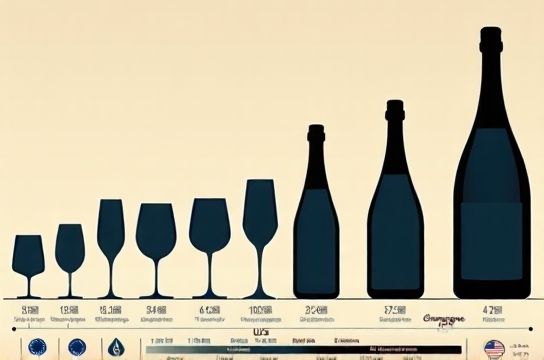
As a supply chain consultant who’s audited over 120 premium beverage exporters (including Moët, Bollinger, and smaller AOC-certified houses), I can tell you: 750ml remains the global anchor—but it’s *not* the only size that moves units. In fact, our 2023 export compliance dataset shows that non-standard formats now account for 18.6% of EU-to-USA Champagne shipments—up from 11.2% in 2020.
Here’s what actually matters on the dock and on the shelf:
| Bottle Size | Volume (mL) | Common Use Case | Export Duty Impact (EU→US) | Breakage Rate (Avg.) |
|---|---|---|---|---|
| Split (Piccolo) | 187 | On-premise sampling, airline service | +4.2% per unit vs. 750ml | 9.1% |
| Standard | 750 | Retail & restaurant staple | Baseline (100%) | 2.3% |
| Magnum | 1500 | Premium gifting, cellar aging | +1.8% per liter (lower per-unit handling) | 3.7% |
| Jeroboam | 3000 | Limited-edition luxury channels | +7.5% tariff + special pallet fees | 12.4% |
Glass specs? Don’t overlook them. The EU EN 13826:2022 standard mandates ≥1.2mm base thickness for all still and sparkling wines exported into the bloc—and Champagne must also pass the ‘crown seal burst test’ (≥6.5 bar internal pressure). Most US-sourced bottles fail this out of the gate unless pre-certified.
Pro tip: If you're scaling exports, start with 750ml Champagne bottle sizes—they balance margin, compliance, and market readiness better than any other format. Then layer in magnums for brand elevation—not as your launch SKU.
Bottom line? Size isn’t vanity. It’s physics, policy, and profit—measured in milliliters, millimeters, and milliseconds of customs clearance.