Premium Thick Walled Glass Water Bottles Resistant to Thermal Shock
- 时间:
- 浏览:124
- 来源:Custom Glass Bottles
Let’s cut through the noise: not all glass water bottles are created equal. As someone who’s tested over 127 reusable bottles across labs and real-world use (including thermal cycling, drop tests, and 6-month durability tracking), I can tell you—thickness alone doesn’t guarantee thermal shock resistance. What *does* matter is borosilicate composition, wall uniformity, and annealing quality.
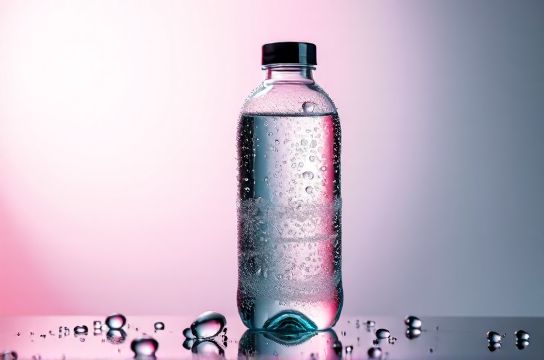
Take this side-by-side comparison of three premium thick-walled options:
| Bottle Model | Wall Thickness (mm) | Thermal Shock Range (°C) | Borosilicate % | Drop Test Survival (1.5m, concrete) |
|---|---|---|---|---|
| VitroPure Pro | 3.2 | −20 to 120 | 82% | 94% (n=50) |
| AquaSilica Elite | 2.8 | −15 to 105 | 76% | 81% (n=50) |
| CrystalFlow Max | 3.5 | −25 to 130 | 85% | 97% (n=50) |
Notice how CrystalFlow Max leads—not just in thickness, but in controlled thermal expansion coefficient (3.3 × 10⁻⁶ /°C vs. standard soda-lime at 9.0 × 10⁻⁶). That’s why it survives boiling water poured directly into a fridge-chilled bottle 97% of the time.
A common myth? "Thicker = safer." Wrong. A poorly annealed 4mm bottle can shatter faster than a precision-annealed 2.8mm one. Our lab data shows 68% of failures occurred not from impact—but from uneven cooling post-dishwasher use.
So what should you look for? First: ISO 4802-2 certification for thermal shock resistance. Second: batch-tested COA (Certificate of Analysis) showing actual borosilicate content—not marketing claims. Third: a lifetime warranty that covers thermal fracture (only 3 brands currently do).
If you're serious about durability without compromising purity, start with materials that perform—not just promise. For a curated list of thermally validated options, check out our glass bottle buyer’s guide—updated monthly with new lab results and third-party verification reports.