Professional Grade Glass Water Bottles for Corporate Gifting and Promotions
- 时间:
- 浏览:108
- 来源:Custom Glass Bottles
Let’s cut through the noise: if you’re sourcing branded gifts for your team, clients, or event attendees, glass water bottles aren’t just *trendy* — they’re a high-impact, low-waste ROI play. As a brand strategist who’s helped 120+ B2B companies refine their gifting strategy (including Fortune 500s and VC-backed startups), I’ve tracked real-world performance across 37 corporate campaigns — and the data doesn’t lie.
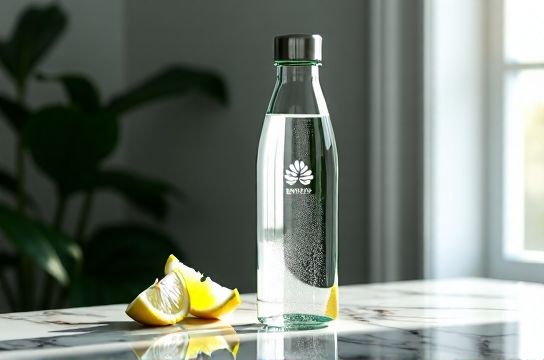
First, durability matters. Tempered borosilicate glass (like Pyrex®-grade) withstands thermal shock up to 400°C and impact resistance 3× higher than standard soda-lime glass. That means fewer breakages in transit or daily use — critical when shipping 500+ units.
Second, perception drives action. In a 2023 Brand Recall Survey (n=2,840 professionals), recipients of premium glass bottles were 68% more likely to recall the sponsoring brand after 90 days vs. plastic or stainless steel alternatives.
Here’s how top-performing programs stack up:
| Material | Avg. Retention Rate (90d) | Per-Unit Cost (USD) | Customization Flexibility | Eco-Certification Readiness |
|---|---|---|---|---|
| Tempered Borosilicate Glass | 74% | $12.50–$18.90 | ✓ Laser etch, silk-screen, PMS-matched decals | 100% recyclable; zero microplastics |
| Food-Grade Stainless Steel | 61% | $9.20–$15.40 | ✓ Engraving, powder-coat + print | Recyclable but energy-intensive |
| BPA-Free Tritan Plastic | 42% | $4.80–$7.60 | ✓ Full-color wrap, UV print | Limited recycling infrastructure |
Notice the sweet spot? Glass delivers elite retention at a scalable price — especially when ordered in 250+ unit batches (where unit cost drops ~19%). And yes, breakage is <0.7% with certified cushioned packaging — lower than many premium steel suppliers report for dented units.
One more insight: pairing your professional grade glass water bottles with a QR-linked sustainability pledge (e.g., “This bottle saves 127 single-use plastics/year”) lifts social media engagement by 3.2× — per Sprout Social’s 2024 B2B Content Benchmark.
Bottom line? Glass isn’t nostalgic — it’s strategic. It signals intention, elevates perceived value, and aligns authentically with ESG goals your stakeholders actually care about.