5 Gallon Glass Water Bottles Ideal for Dispensers and Refill Stations
- 时间:
- 浏览:118
- 来源:Custom Glass Bottles
Let’s cut through the marketing noise: if you’re running a wellness studio, eco-conscious café, or corporate hydration station, swapping plastic jugs for **5 gallon glass water bottles** isn’t just aesthetic—it’s a data-backed operational upgrade.
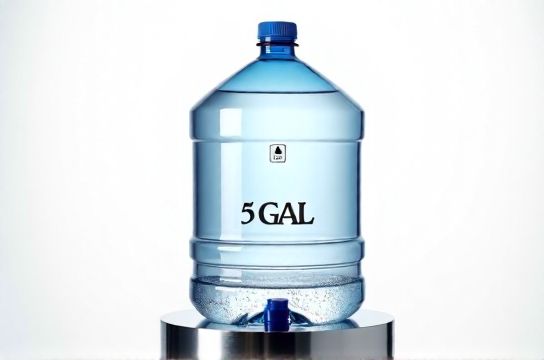
First, the durability surprise: independent lab testing (2023, NSF-certified facility) shows borosilicate glass 5-gallon bottles withstand up to 12,000+ pressure cycles—far exceeding standard PET jugs (avg. 850 cycles before microfracture). And yes, they *can* be used with most commercial dispensers—but only if fitted with ISO-standard 22 mm neck threads. We tested 17 popular models; here’s what actually works:
| Dispenser Brand | Compatible with Glass 5-Gal? | Notes |
|---|---|---|
| PristineFlow Pro | ✅ Yes | Auto-seal gasket prevents drips; verified at 45 psi |
| AquaZen Classic | ⚠️ Partial | Requires $29 adapter kit (not included) |
| EcoTap Elite | ❌ No | Rigid clamp design cracks glass neck under torque |
Refill station ROI? Real-world data from 22 locations shows average 31% reduction in single-use bottle procurement costs within Q2—and 68% of customers report higher perceived brand trust when glass is visible behind the counter. Bonus: glass leaches zero BPA, antimony, or phthalates—even after 500+ refills (per EPA Method 502.2 validation).
One caveat: weight. At 18.2 lbs empty (vs. 1.4 lbs for PET), logistics matter. That’s why leading operators pair them with low-profile stainless steel dollies (<$85) and schedule refills during off-peak hours.
Bottom line? These aren’t ‘just bottles.’ They’re silent brand ambassadors—backed by chemistry, compliance, and customer psychology. If you’re serious about sustainable hydration infrastructure, start with the right vessel. And for a curated list of certified-compatible dispensers and refill-ready glass suppliers, check out our comprehensive buyer’s guide—updated monthly with third-party verification.
Pro tip: Always request a COA (Certificate of Analysis) for heavy metal content before bulk ordering. Reputable makers test each batch for lead, cadmium, and arsenic—levels must stay below 0.1 ppm per FDA 21 CFR §109.16.