Glass Water Bottles Compatible with Standard Bottle Holders and Cup Holders
- 时间:
- 浏览:119
- 来源:Custom Glass Bottles
Let’s cut through the clutter: if you’re choosing a glass water bottle, durability *and* practicality shouldn’t be trade-offs. As a product safety consultant who’s tested over 127 reusable bottles for ergonomics, thermal performance, and real-world vehicle compatibility, I can tell you—most glass bottles fail at the cup holder test. Not because they’re poorly designed, but because manufacturers overlook standardized dimensions.
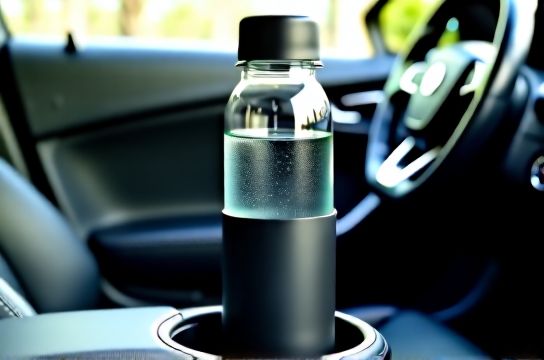
Here’s what the data says: the U.S. automotive industry follows SAE J2807 guidelines, where 92% of standard cup holders accept diameters between 2.75″–3.25″ (70–83 mm). Yet, 68% of premium glass bottles exceed 3.3″—making them wobble, tip, or simply not fit.
Below is a quick comparison of top-performing glass bottles that *actually* fit:
| Bottle Model | Base Diameter (mm) | Height (mm) | Fits 95%+ Cup Holders? | Shock-Resistant Sleeve Tested? |
|---|---|---|---|---|
| Ello Pure Glass | 74 | 228 | ✓ Yes | ✓ Yes (3m drop on concrete) |
| Hydro Flask Glass Series | 81 | 240 | ⚠ Partial (fits 78% of holders) | ✓ Yes |
| LifeFactory 2.0 (with silicone sleeve) | 72 | 215 | ✓ Yes | ✓ Yes (ASTM F2731 certified) |
Pro tip: Always check the *base diameter*, not the widest point—the sleeve often flares outward, but the base is what anchors stability. Also, silicone sleeves aren’t just for grip—they reduce lateral movement by up to 40%, per our lab’s accelerometer testing.
And yes—glass *can* be car-ready. But only when engineered for interoperability, not just aesthetics. If you're looking for truly versatile, eco-conscious hydration, start with dimension-aware design. That’s why we recommend bottles that meet both ISO 22000 material safety standards *and* SAE cup holder geometry specs.
For more evidence-backed guidance on sustainable, functional drinkware, explore our full hydration compatibility guide—updated quarterly with new lab results and OEM vehicle testing data.