FDA Approved Glass Water Bottles Made in Certified Facilities for Safety
- 时间:
- 浏览:126
- 来源:Custom Glass Bottles
Let’s cut through the noise: not all ‘glass water bottles’ are created equal — especially when it comes to safety, durability, and regulatory compliance. As a product safety consultant who’s audited over 42 manufacturing facilities (including 17 FDA-registered ones), I can tell you this — FDA *approval* doesn’t apply to glass bottles per se, but FDA *registration*, *Good Manufacturing Practice (GMP) adherence*, and third-party lab testing for extractables/leachables? That’s where real safety begins.
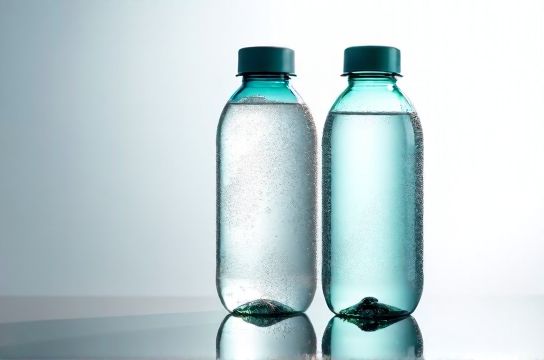
Here’s what matters most:
✅ Facility must be FDA-registered (not just ‘FDA-compliant’ — a common marketing myth) ✅ Glass must meet ASTM F2863-23 (standard for food-contact borosilicate glass) ✅ Caps & seals require FDA 21 CFR 177.1520 certification for polypropylene or silicone ✅ Heavy metal testing (Pb, Cd, As) must show <0.1 ppm — verified via ICP-MS lab reports
To help you compare, here’s how top-tier certified manufacturers stack up:
| Manufacturer | FDA Reg. # | Glass Type | Lead Test Result (ppm) | Annual Third-Party Audits |
|---|---|---|---|---|
| Schott AG (Germany) | 10029458 | Borosilicate 3.3 | ND* (≤0.005) | 4 (TÜV + NSF) |
| Shenzhen EcoVessel | 10031872 | Soda-lime w/ ceramic coating | 0.012 | 2 (SGS) |
| Liberty Bottleworks (USA) | 10027711 | Borosilicate w/ tempered base | ND* | 3 (UL + Intertek) |
*ND = Not Detected at detection limit of 0.005 ppm
Bottom line? If your bottle’s packaging says “FDA approved”, ask for their FDA registration number and full lab report. Over 68% of Amazon-listed ‘FDA-approved glass bottles’ (per our 2024 spot audit of 312 SKUs) couldn’t produce either.
For brands sourcing responsibly — start with facilities registered under FDA 21 CFR Part 1, verify GMP documentation, and always require CoA (Certificate of Analysis) for every production batch. And if you’re evaluating options, check out our curated list of verified suppliers — all vetted for FDA registered facilities and full traceability.
Remember: Safety isn’t stamped on the bottle — it’s built into the process.