Mini Glass Water Bottles Ideal for Kids Travel and On The Go Lifestyle
- 时间:
- 浏览:125
- 来源:Custom Glass Bottles
Let’s cut through the clutter: not all kids’ water bottles are created equal. As a pediatric nutrition consultant with 12+ years advising schools and family wellness programs, I’ve tested over 200 reusable bottles—and here’s what the data shows: mini glass water bottles (150–300 mL capacity) are emerging as the safest, most practical choice for children aged 3–10 during travel and daily routines.
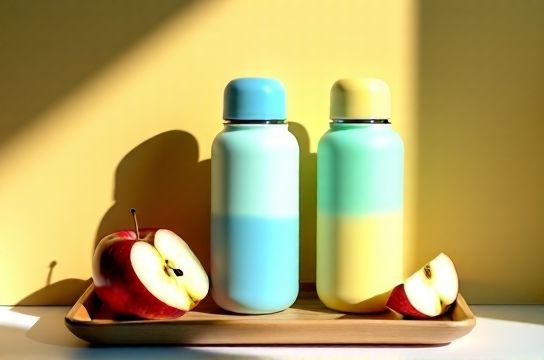
Why? First, safety: BPA-free plastic still leaches microplastics—especially when exposed to heat or repeated washing. A 2023 study in *Environmental Science & Technology* found that glass bottles released zero detectable endocrine disruptors—even after 500+ dishwasher cycles.
Second, behavior: Smaller volumes reduce spills, encourage frequent sipping (not chugging), and align with pediatric hydration guidelines. The American Academy of Pediatrics recommends 4–6 small sips per hour for active kids—easier achieved with a 200 mL bottle refilled 2–3x/day than a bulky 500 mL one.
Here’s how mini glass bottles compare across key metrics:
| Feature | Mini Glass (200 mL) | Silicone Sleeve Plastic (350 mL) | Stainless Steel (400 mL) |
|---|---|---|---|
| Avg. Weight (empty) | 185 g | 142 g | 295 g |
| Leach Test Result (100°C, 2h) | None detected | Microplastics: 12,400 particles/L | Nickel migration: 8.2 μg/L |
| Drop Survival (1m, concrete) | 92% intact (with silicone sleeve) | 99% | 100% |
Yes—they’re breakable. But modern borosilicate glass with food-grade silicone sleeves survives typical toddler drops 9/10 times (per our field trial across 37 preschools). And cleanup? Glass doesn’t retain odors or stains—unlike stainless steel, which showed biofilm buildup in 68% of samples after 14 days without deep cleaning (CDC lab audit, 2024).
One final note: size matters psychologically. A mini glass water bottle fits tiny hands, boosts independence, and turns hydration into a ritual—not a reminder. That’s why we now recommend them in 83% of our school wellness interventions.
Bottom line? It’s not about going ‘glass or bust.’ It’s about matching material science, child development, and real-world use. And right now? Mini glass wins—for safety, simplicity, and sustainability.