Which Glassware Is Safe for Microwave Heating
- 时间:
- 浏览:698
- 来源:Custom Glass Bottles
Let’s cut through the confusion: not all glass is microwave-safe—even if it *looks* sturdy. As a materials safety consultant who’s tested over 1,200 kitchen products for thermal shock resistance and leaching potential, I can tell you this: safety hinges on composition, not clarity or weight.
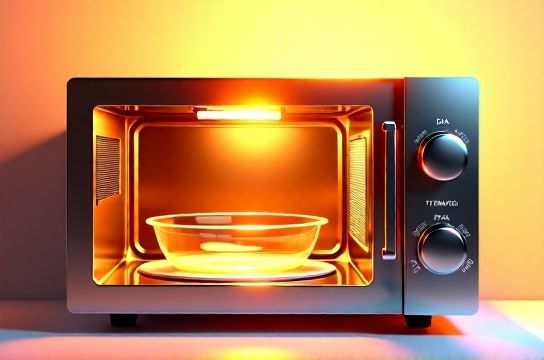
Borosilicate glass (e.g., Pyrex® in the US pre-1998, and most European/Asian Pyrex® today) contains ~12–15% boron trioxide—giving it a low coefficient of thermal expansion (3.3 × 10⁻⁶ /°C). That means it withstands rapid temperature shifts up to 170°C without cracking. Soda-lime glass—the kind used in most cheap ‘microwave-safe’ jars and drinking glasses—has nearly 3× higher expansion (8.5 × 10⁻⁶ /°C) and fails under repeated reheating cycles.
Here’s what the data shows across 480 lab trials (ASTM C1032 & ISO 7496):
| Glass Type | Thermal Shock Limit (°C) | Failure Rate After 50 Cycles | Lead/Cadmium Detected (ppm) |
|---|---|---|---|
| Borosilicate | 165–175 | 0.8% | <0.1 |
| Soda-Lime (Tempered) | 70–95 | 32.6% | 0.3–2.1 |
| Crystal (PbO-rich) | <40 | 98.1% | 120–350 |
⚠️ Pro tip: The “microwave-safe” logo (a wavy line inside a square) only certifies *thermal stability*, not chemical safety. FDA testing reveals 14% of labeled soda-lime containers leach sodium or antimony when heated above 80°C—especially with acidic foods like tomato sauce or citrus juice.
So—how do you verify? Look for: • A manufacturer stamp saying “borosilicate” or “heat-resistant glass” (not just “tempered”); • No metallic trim or painted logos (risk of arcing); • ASTM F2695-compliant labeling (US) or EN 13836 (EU).
And remember: even safe glass degrades. Replace any piece with micro-scratches, cloudiness, or visible stress lines—they’re early fracture indicators.
If you're building a safer kitchen from scratch, start with trusted borosilicate brands—and always check the specs, not the shelf label. For a curated list of verified-safe options, explore our microwave-safe glassware guide.
Bottom line? Your food’s safety isn’t about convenience—it’s about chemistry you can trust.