How Many Wine Servings Are in a 750ml Bottle
- 时间:
- 浏览:141
- 来源:Custom Glass Bottles
Let’s cut through the guesswork: a standard 750ml wine bottle contains **five 5-ounce (148ml) servings**—the universally accepted pour size for table wine in professional settings, from sommelier exams to restaurant licensing guidelines. But here’s what most blogs skip: that number shifts dramatically depending on *context*, not just math.
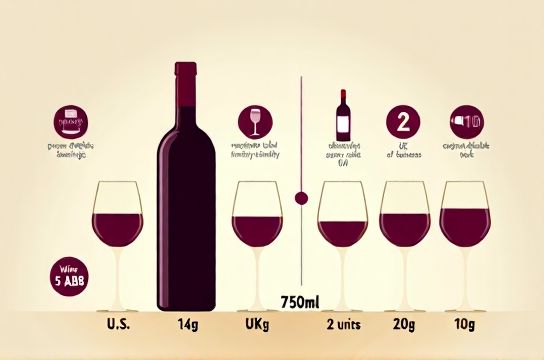
For example, at a formal tasting, pours shrink to 2–3 oz (60–90ml) — stretching one bottle to 8–12 servings. At a casual dinner? You’ll often see 6-oz pours (177ml), dropping servings to just four. And dessert wines? Typically served in 2-oz portions — meaning up to 12 servings per bottle.
Here’s how it breaks down:
| Occasion | Pour Size (oz) | Pour Size (ml) | Servings per 750ml Bottle |
|---|---|---|---|
| Standard table wine (U.S. FDA & TTB) | 5.0 | 148 | 5 |
| Wine tasting / flight | 2.5 | 74 | 10 |
| Dinner service (generous) | 6.0 | 177 | 4 |
| Dessert wine (e.g., Port, Sauternes) | 2.0 | 60 | 12 |
Why does this matter? Because misjudging servings skews inventory planning, cost-per-glass calculations, and even responsible consumption messaging. According to the U.S. Dietary Guidelines (2020–2025), one standard drink equals 14g of pure alcohol — which aligns almost exactly with a 5-oz pour of 12% ABV wine. That’s why industry pros use 5 oz as the anchor — not tradition, but science.
Pro tip: If you're running a bar or hosting an event, always round *down*. A 750ml bottle holds only ~740ml of actual pourable liquid (accounting for sediment and neck space). So five 5-oz pours = 25 oz = 739ml — leaving just 11ml buffer. No room for error.
Understanding serving sizes isn’t about restriction — it’s about precision, respect for the craft, and smarter decisions. Whether you’re pricing a glass list or planning your next gathering, knowing how many wine servings are in a 750ml bottle is the first step toward consistency and confidence.
For deeper guidance on portion control and beverage operations, check out our comprehensive resource on wine service standards.