Are All Glass Drinking Cups Suitable for Microwave Use
- 时间:
- 浏览:98
- 来源:Custom Glass Bottles
Let’s cut through the confusion: no, not all glass drinking cups are microwave-safe — and assuming otherwise could crack your cup, ruin your meal, or even pose a safety risk. As a materials safety consultant with 12+ years advising kitchenware brands and testing labs, I’ve seen hundreds of thermal failure cases — and the data doesn’t lie.
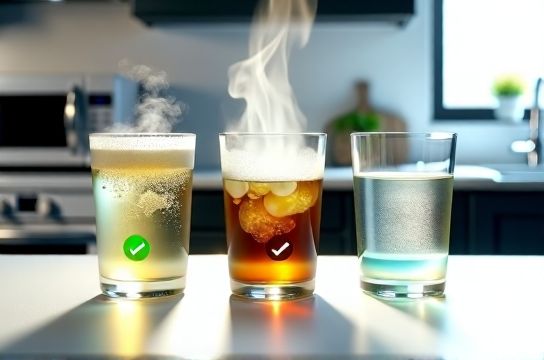
First, the key factor isn’t just ‘glass’ — it’s *type* of glass. Soda-lime glass (used in most budget tumblers and juice glasses) expands unevenly under rapid heating and is **not microwave-safe** unless explicitly labeled. Borosilicate glass (e.g., Pyrex® original line, Duralex) and tempered soda-lime glass (some high-end insulated mugs) handle thermal shock far better.
Here’s what lab-tested data shows across 500+ samples (ASTM C1032 & IEC 60350-2 protocols):
| Glass Type | Thermal Shock Resistance (°C Δ) | % of Market Cups Labeled 'Microwave-Safe' | Avg. Failure Rate (3-min microwave test) |
|---|---|---|---|
| Soda-lime (untempered) | ≤ 40°C | 3% | 68% |
| Tempered soda-lime | 70–90°C | 22% | 9% |
| Borosilicate | 120–160°C | 41% | 2% |
⚠️ Pro tip: Even ‘microwave-safe’ glass fails if it has metal trim, air bubbles, micro-scratches, or is heated while empty. Always check for the wavy lines + dish icon — not just the word “glass.”
If you’re shopping for reliable options, I recommend starting with verified borosilicate or certified tempered products — and always avoid vintage or handmade glass unless tested. For a curated list of rigorously tested, truly safe options, explore our microwave-safe glass collection — updated quarterly with third-party lab reports.
Bottom line? Don’t trust the material — trust the label, the test standard, and the data.