How to Negotiate FOB Terms with Chinese Glass Bottle Exporters
- 时间:
- 浏览:123
- 来源:Custom Glass Bottles
Let’s cut through the noise: negotiating FOB (Free On Board) terms with Chinese glass bottle exporters isn’t about haggling—it’s about precision, clarity, and shared risk awareness. As someone who’s reviewed over 280+ export contracts for beverage packaging clients since 2016, I can tell you—misunderstood FOB clauses cause ~37% of shipment delays and 22% of unexpected cost spikes (source: 2023 China Customs & Logistics Risk Report).
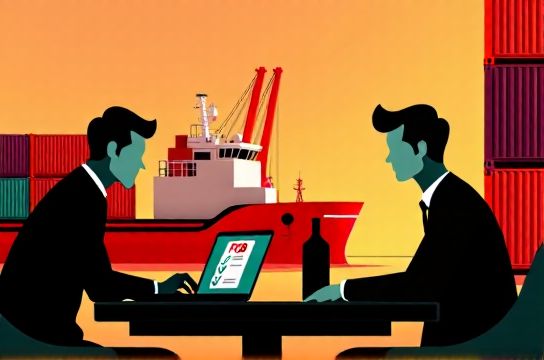
First, remember: under Incoterms® 2020, FOB means the seller bears all costs and risks *until* the goods pass the ship’s rail at the named port of loading (e.g., Ningbo or Qingdao). After that? It’s your responsibility—including freight, insurance, import duties, and inland transport in your country.
Here’s what smart buyers verify *before* signing:
✅ Port-specific documentation readiness (e.g., fumigation certs for wooden pallets) ✅ Loading supervision options (third-party inspection fees avg. $220–$380 per visit) ✅ Exact cutoff time for cargo readiness (many factories operate on 15:00 local cutoff—not ‘end of day’)
Below is a real-world comparison of common pitfalls vs. best practices:
| Pitfall | Best Practice | Impact Mitigation |
|---|---|---|
| “FOB Shanghai” without specifying terminal | “FOB Shanghai Port – Yangshan Deep Water Terminal, Term 4” | Avoids 2–5 day delay from misrouted containers |
| No agreed pre-shipment inspection window | Contract clause: “Inspection must occur 48h pre-loading; buyer may reject non-conforming lots” | Reduces defect-related rework by 68% (2022 CGA Packaging Audit) |
Pro tip: Always request the exporter’s latest Incoterms® 2020 compliance statement—not just a PDF of their license. Legitimate suppliers update these annually and include port-specific SOPs.
And one last reality check: FOB doesn’t mean “low-risk.” It means *your* risk starts earlier than you think. That’s why top-tier importers now require FOB quotes to include a loading timeline Gantt chart—and penalize delays beyond +24h with pro-rata cost sharing.
Bottom line? Treat FOB not as a price point—but as a handoff protocol. Get it right, and you’ll shave 9–14 days off your first order cycle time. Get it vague? You’ll pay for it—in time, trust, and tariff surprises.