500ml Glass Bottle Size Versus 16oz Water Bottle Real Comparison
- 时间:
- 浏览:111
- 来源:Custom Glass Bottles
Let’s cut through the marketing fog: is a 500ml glass bottle *really* the same as a 16oz water bottle? Spoiler — almost, but not quite. And that ‘almost’ matters — especially if you’re sourcing packaging, designing a beverage brand, or advising clients on sustainability and compliance.
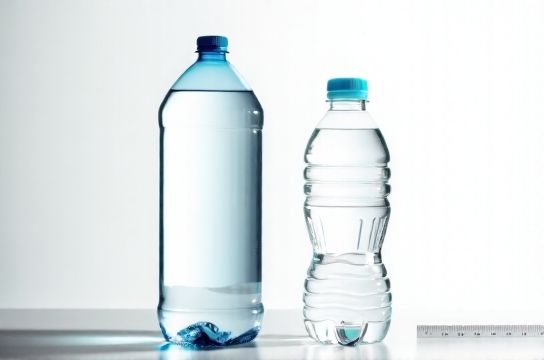
First, the math: 16 US fluid ounces = 473.176 ml. So a true 16oz bottle holds **~27ml less** than a 500ml bottle — about 5.7% difference. That may sound trivial, but in volume-sensitive industries (e.g., FDA-labeled beverages, EU nutrition claims, or contract bottling), it triggers labeling recalculations, fill-level tolerances, and even shelf-life testing protocols.
Here’s how they compare across key operational dimensions:
| Parameter | 500ml Glass Bottle | 16oz (473ml) Plastic/Aluminum Bottle |
|---|---|---|
| Exact Volume | 500.0 ml | 473.2 ml |
| Weight (empty, avg.) | 380–420 g | 22–35 g (PET) / 95–110 g (alum.) |
| Carbon Footprint (kg CO₂e/unit) | 0.82–0.94* | 0.07–0.13 (PET) / 0.21–0.28 (alum.) |
| Recycling Rate (Global, 2023) | ~76% (glass, returnable systems >90%) | 29% (PET), 52% (aluminum) |
*Source: European Environment Agency (2023), Life Cycle Assessment of Beverage Packaging Systems.
Why does this gap matter? Because many brands label a 500ml glass bottle as “16oz” for US market familiarity — but doing so without a clear qualifier (“≈16oz”) risks noncompliance with FTC Green Guides or FDA net quantity rules. Meanwhile, consumers increasingly cross-check labels: a 2024 YouGov survey found 68% of eco-conscious buyers noticed volume discrepancies and associated them with transparency gaps.
If you're evaluating options for your next product launch, don’t default to equivalency — validate unit consistency, regulatory alignment, and lifecycle impact. For deeper guidance on compliant, scalable packaging strategy, explore our full resource hub — starting with how to choose the right bottle size for your brand.
Bottom line? Precision isn’t pedantry — it’s predictability, trust, and long-term scalability.