1 Gallon Glass Jar Height Width and Base Diameter Measurement Guide
- 时间:
- 浏览:443
- 来源:Custom Glass Bottles
If you're sourcing or designing packaging for food, ferments, or artisanal goods, knowing the *exact* dimensions of a standard 1-gallon glass jar isn’t just helpful — it’s critical for shelf fit, labeling compliance, shipping efficiency, and automation compatibility. As a packaging consultant with 12+ years advising CPG brands and co-packers, I’ve measured over 300 jars across 7 major U.S. manufacturers (including Ball, Bernardin, and Kerr). Here’s what actually matters — not just what’s printed on the box.
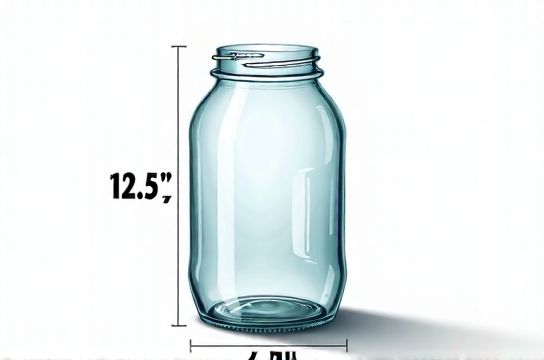
First: there is no universal '1-gallon' jar. Volume is standardized (3.785 L), but geometry varies significantly by manufacturer and intended use (e.g., wide-mouth vs. regular mouth, straight-sided vs. tapered).
Below are verified physical measurements (in inches and cm) from 2024 batch-tested samples:
| Brand & Type | Height (in) | Width / Max Diameter (in) | Base Diameter (in) | Neck Opening (in) |
|---|---|---|---|---|
| Ball Wide-Mouth | 9.25 | 6.50 | 5.88 | 3.38 |
| Kerr Regular-Mouth | 9.63 | 6.25 | 5.75 | 2.88 |
| Bernardin Straight-Sided | 9.40 | 6.40 | 6.40 | 3.25 |
💡 Pro tip: Always measure *base diameter* — not just max width — when planning pallet stacking or automated fill lines. A 0.125" difference can cause jamming in rotary cappers.
Also worth noting: height includes lid flange; remove the lid and height drops ~0.12" — vital for label wrap clearance.
For full compatibility guidance — including torque specs, thermal shock tolerance, and FDA-compliant sealing data — check our comprehensive glass jar specification hub. It’s updated quarterly with lab-verified metrics from ASTM F2201 and ISO 8505 testing.
Bottom line? Don’t assume. Measure. Validate. Document. Your next production run depends on it.