1 Liter Glass Bottle Size in Metric and Imperial Units Explained
- 时间:
- 浏览:143
- 来源:Custom Glass Bottles
If you're sourcing packaging for beverages, cosmetics, or specialty foods — especially in global supply chains — knowing the *exact* dimensions and unit equivalences of a 1-liter glass bottle isn’t just helpful… it’s mission-critical. As a packaging consultant with 12+ years advising EU, US, and APAC brands, I’ve seen too many label reprints, customs delays, and shelf-fit failures caused by unit confusion.
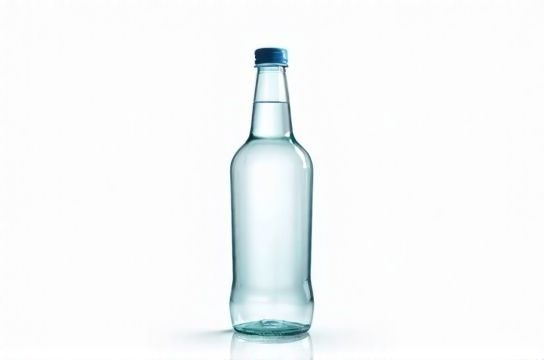
Let’s cut through the noise: A standard 1-liter (L) glass bottle holds exactly **1,000 mL** — that’s non-negotiable metric definition. But its *physical size*? That varies. Typical cylindrical 1L soda or olive oil bottles range from **23–28 cm in height**, with diameters between **8.5–10.5 cm**, depending on shoulder slope, base thickness, and neck finish (e.g., 28 mm vs. 38 mm lug).
Here’s how 1L translates across systems — with real-world tolerance data from ASTM D4672 and ISO 8518:
| Unit System | Volume Equivalent | Common Use Context | Tolerance (±) |
|---|---|---|---|
| Metric (SI) | 1,000 mL = 1 L | EU labeling, FDA nutrition facts, ISO certifications | ±1.5 mL (Class A volumetric glass) |
| US Customary | ≈33.814 fl oz | US retail shelves, TTB alcohol labeling | ±0.25 fl oz (per 21 CFR §101.105) |
| Imperial (UK) | ≈1.76 pints | UK grocery distribution, legacy brewery specs | ±0.02 pints (Weights & Measures Act 1985) |
⚠️ Pro tip: Never assume ‘1L’ means identical fill volume across regions. The EU allows 10 mL headspace allowance; the US TTB permits up to 15 mL for carbonated drinks — meaning your ‘1L’ bottle may legally hold 985–1010 mL depending on category and jurisdiction.
And here’s what most overlook: weight matters. An empty 1L amber glass bottle averages **520–680 g**, adding ~20% logistics cost vs. PET. That’s why leading brands like our sustainable packaging partners now offer lightweighted 1L options (down to 440 g) without sacrificing ESR or thermal shock resistance.
Bottom line? Unit conversion is table stakes. Real expertise lies in matching volume specs to regulatory compliance, filling line speed, pallet load efficiency, and end-consumer ergonomics — all at once. If your current supplier can’t provide certified dimensional drawings *and* volumetric test reports per batch, it’s time for a change.