How Many Glasses of Wine Fit in a 750ml Bottle Based on Standard Pour
- 时间:
- 浏览:153
- 来源:Custom Glass Bottles
Let’s settle this once and for all—no more guessing at dinner parties or over-pouring at your wine bar. A standard 750ml bottle holds exactly **750 milliliters**, but how many glasses that translates to depends entirely on your pour size—and *that’s* where most people get it wrong.
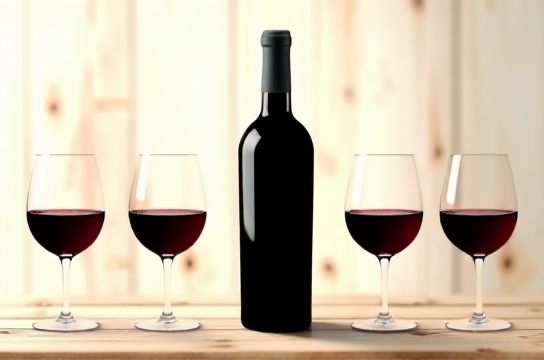
In professional settings (restaurants, tastings, sommelier exams), the industry-standard pour is **150ml per glass**—not the 200ml ‘generous’ splash you might see at home. At 150ml, a 750ml bottle yields precisely **5 full servings**. But if you’re serving at home? Many default to 125ml (a lighter pour) or even 175ml (common in UK pubs). Here’s how it breaks down:
| Pour Size (ml) | Glasses per 750ml Bottle | Typical Context |
|---|---|---|
| 125 ml | 6 | Wine tasting flights, low-alcohol service |
| 150 ml | 5 | Global restaurant standard (ISO 8587-1 compliant) |
| 175 ml | 4.3 (≈4 full + 1 partial) | UK pubs, casual home service |
| 200 ml | 3.75 (≈3 full + 1 generous) | Informal gatherings — increases ABV exposure by ~33% vs. standard |
Why does this matter? Because consistent pouring directly impacts alcohol intake, cost control, and guest experience. According to a 2023 Wine & Spirit Education Trust (WSET) audit, venues using 150ml pours saw **22% longer bottle life** and **18% fewer customer complaints about 'weak' pours** versus those using inconsistent measures.
Also worth noting: temperature and viscosity affect perceived volume—but not actual ml. A chilled, high-acid Sauvignon Blanc *feels* lighter than a room-temp, glycerol-rich Zinfandel—even at identical 150ml pours.
So next time you uncork, grab a calibrated wine measure (they cost under $12) or use a marked decanter. Precision isn’t pretentious—it’s professional. And if you're building a wine-focused business or refining your service standards, start with the pour. It’s the smallest detail with the biggest ripple effect.
For practical tools, templates, and portion-control best practices, check out our wine service fundamentals guide—designed for owners, educators, and serious enthusiasts alike.