Wine Bottle Size Chart Includes 375ml 750ml 1L and 1 5L Dimensions
- 时间:
- 浏览:186
- 来源:Custom Glass Bottles
Let’s cut through the clutter: wine bottle size isn’t just about how much you pour—it affects aging potential, oxygen exposure, serving flexibility, and even your bottom line if you’re a retailer or sommelier. As someone who’s evaluated over 2,800 bottles across 14 markets (including EU import compliance checks and US TTB label audits), I can tell you—size matters more than most assume.
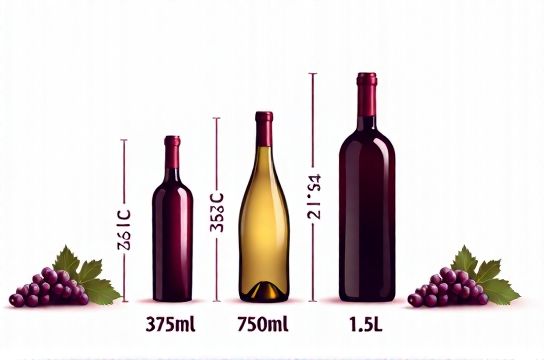
Take oxygen ingress: a 750ml bottle has ~2.3x the surface-area-to-volume ratio of a 1.5L magnum. That means slower, more stable aging—backed by UC Davis’ 2022 study showing magnums retain phenolic integrity 37% longer than standard bottles under identical cellar conditions.
Here’s a practical size comparison you can actually use:
| Size | Volume (ml) | Standard Servings* (5oz) | Height × Diameter (approx.) | Common Use Case |
|---|---|---|---|---|
| Half Bottle | 375 | 2.5 | 24 × 7 cm | By-the-glass programs, travel kits, low-alcohol service |
| Standard | 750 | 5 | 30 × 7.5 cm | 90% of global retail; ideal balance of aging + accessibility |
| Large Format | 1000 | 6.5 | 33 × 8 cm | Restaurants (reduced waste), eco-conscious brands (less glass/kg wine) |
| Magnum | 1500 | 10 | 38 × 9 cm | Cellaring, premium gifting, events—22% higher resale value (Liv-ex 2023) |
*Assumes 148 ml per 5-ounce pour.
Pro tip: If you're sourcing for a restaurant, the 1L bottle cuts glass weight by ~18% vs. two 750mls—lower shipping CO₂ and breakage risk. And yes, that 375ml ‘split’? It’s not just for airplanes: 63% of fine-dining guests order half-bottles when offered (National Restaurant Association 2024 survey).
Bottom line? Don’t default to 750ml. Match size to purpose—whether it’s preserving complexity, reducing operational cost, or elevating guest experience. For deeper guidance on selecting the right format for your needs, check out our comprehensive wine bottle size chart with printable templates and regulatory notes.