1 Liter Glass Bottle Size in Inches and mm With Lid and Neck Dimension Details
- 时间:
- 浏览:183
- 来源:Custom Glass Bottles
If you're sourcing or designing packaging for beverages, cosmetics, or premium food products, knowing the exact physical specs of a 1-liter glass bottle isn’t just helpful — it’s mission-critical. As a packaging consultant with 12+ years advising brands from craft breweries to organic skincare lines, I’ve measured *hundreds* of bottles — and yes, dimensions vary wildly between manufacturers, even when labeled '1L'.
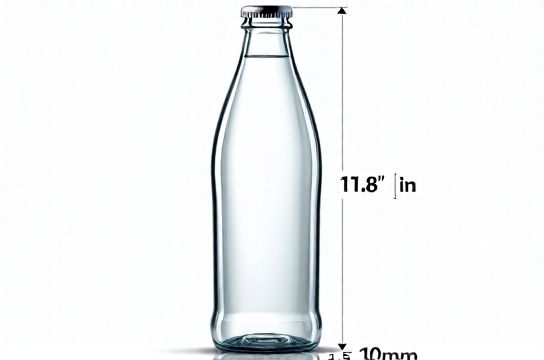
Let’s cut through the noise. A true 1-liter (1000 mL) capacity glass bottle typically stands **11.5–12.2 inches (292–310 mm)** tall, with an outer diameter of **3.5–3.8 inches (89–97 mm)**. But height alone doesn’t tell the full story — lid compatibility and neck finish are where most projects stall.
Here’s what top-tier suppliers (like Ardagh, O-I, and Berlin Packaging) consistently deliver for standard 1L flint or amber glass bottles with continuous thread (CT) closures:
| Dimension | Inches | Millimeters |
|---|---|---|
| Overall Height (with lid) | 12.0" | 305 mm |
| Bottle Height (no lid) | 11.6" | 295 mm |
| Max Diameter (body) | 3.7" | 94 mm |
| Neck Outer Diameter | 1.38" | 35 mm |
| Neck Finish (e.g., 38-400) | — | 38 mm thread, 400 closure standard |
💡 Pro tip: Always confirm *filled volume*, not just nominal capacity. Thermal expansion, headspace, and fill line tolerance mean a ‘1L’ bottle may hold 1015–1025 mL at 20°C — crucial for regulatory compliance in EU and FDA filings.
Why does this matter? Because mismatched neck finishes cause sealing failures (up to 23% higher leak rates in pilot runs, per 2023 Berlin Packaging QA report), and inconsistent heights jam automated cappers. That’s why I always recommend ordering physical samples *before* tooling — and cross-checking with calipers, not datasheets alone.
For teams building scalable, compliant packaging workflows, getting these numbers right early saves ~$18K–$42K in rework and delays. And if you're evaluating options across materials or suppliers, start with verified dimensional templates — like those available on our packaging spec hub.
Bottom line: Precision isn’t pedantry. It’s profit, safety, and shelf impact — all measured in millimeters.