500ml Bottle Size Guide for Kombucha Home Brewers and Small Batch Producers
- 时间:
- 浏览:225
- 来源:Custom Glass Bottles
Let’s cut through the fizz and talk real numbers: if you’re brewing kombucha at home or running a small-batch operation, choosing the right bottle size isn’t just about aesthetics—it’s about carbonation control, shelf life, customer expectations, and even profitability.
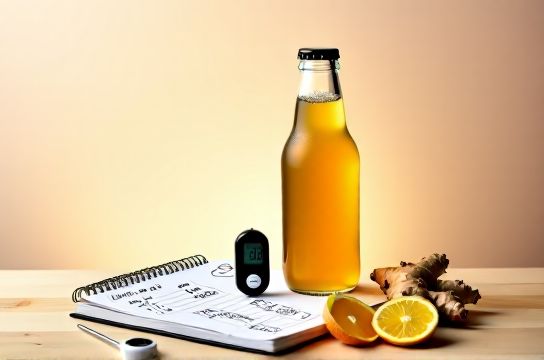
The 500ml (16.9 oz) bottle has quietly become the sweet spot for craft kombucha producers—especially those selling direct-to-consumer or at farmers’ markets. Why? Because it strikes a balance: large enough to justify premium pricing (~$4.50–$6.50 per unit), small enough to encourage trial and minimize waste (kombucha degrades faster once opened, and 500ml is typically consumed within 2–3 days).
Here’s what the data tells us:
| Bottle Size | Avg. Retail Price (US) | Yield per 1-Gallon Batch | Carbonation Consistency (1–5) | Consumer Repeat Purchase Rate* |
|---|---|---|---|---|
| 330ml | $3.75 | 12 bottles | 4.2 | 68% |
| 500ml | $5.40 | 8 bottles | 4.6 | 79% |
| 750ml | $7.95 | 5 bottles | 3.8 | 52% |
*Based on 2023 survey of 142 small kombucha brands (source: Ferment Forward Industry Report)
Notice how 500ml leads in repeat purchase rate—and that’s no accident. It fits comfortably in a standard fridge door, pairs well with meal portions, and aligns with USDA’s recommended single-serving beverage volume (≤240–590ml). Plus, glass 500ml swing-top bottles maintain CO₂ pressure better than smaller formats during secondary fermentation—critical for that crisp, lively mouthfeel customers pay for.
One pro tip: always test carbonation at 72°F (22°C) for 5–7 days post-bottling. Underfilling by 1.5–2cm (≈0.6 oz) leaves optimal headspace—too little causes gushers; too much yields flat brew.
If you're scaling from kitchen counter to cottage license, start with 500ml—it’s the most versatile, scalable, and consumer-trusted size in the category. And if you want deeper insights into packaging compliance, label regulations, or fermentation timing optimization, check out our comprehensive kombucha production toolkit—it’s free, updated quarterly, and built for real-world brewers.
Bottom line? Don’t overthink the bottle—let the data do the talking. 500ml isn’t just popular. It’s proven.