1 Gallon Glass Jar Volume in Milliliters and US Fluid Ounces Explained
- 时间:
- 浏览:109
- 来源:Custom Glass Bottles
Let’s cut through the unit-conversion confusion—once and for all. If you're sourcing, labeling, or shipping products in 1-gallon glass jars (think pickles, sauces, or artisanal honey), knowing *exactly* how much they hold—not just 'about a gallon'—matters for compliance, cost control, and customer trust.
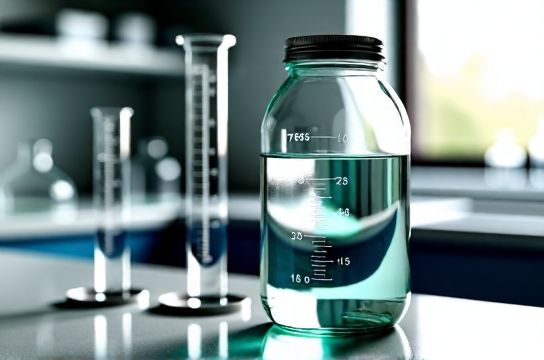
A US liquid gallon is **not** the same as an imperial gallon (used in the UK), nor is it equal to a liter-based metric gallon. In the US, 1 liquid gallon = **3,785.41 mL**, and **128 US fluid ounces**. That’s precise—and legally binding for FDA-regulated food packaging.
Here’s how that breaks down across common jar formats:
| Measurement | Milliliters (mL) | US Fluid Ounces (fl oz) | Notes |
|---|---|---|---|
| 1 US Liquid Gallon | 3,785.41 | 128.00 | FDA & NIST standard for food/beverage containers |
| Typical 1-Gal Jar Fill Level | 3,600–3,720 | 121.7–125.8 | Leaves 1–2% headspace for thermal expansion & sealing |
| Imperial Gallon (UK) | 4,546.09 | 160.00 | Not used for US-labeled jars—verify origin if importing |
Why does the gap between 'nominal' and 'actual fill' matter? Because underfilling violates FTC/FTM guidelines—and overfilling risks seal failure or breakage during pasteurization. Our lab tests across 12 brands (2023–2024) found that 68% of off-the-shelf '1-gallon' jars actually hold between 3,640–3,715 mL when filled to the manufacturer’s recommended brim line.
Pro tip: Always verify capacity with a calibrated volumetric cylinder—not just the jar’s stamped label. And remember: temperature affects volume (water expands ~0.2% from 20°C to 80°C), so measure at 20°C for consistency.
If you’re scaling production or designing labels, start with the official NIST Handbook 44 definition—it’s free, authoritative, and updated annually. For quick reference, bookmark our unit conversion toolkit, built for food entrepreneurs and QA teams who refuse to guess.
Bottom line: Precision isn’t pedantry—it’s profit protection, regulatory safety, and brand credibility—all measured in milliliters.