750 Milliliter Wine Bottle Size Guide How It Compares to 1 Liter Glass Bottles
- 时间:
- 浏览:126
- 来源:Custom Glass Bottles
Let’s cut through the clutter: if you’ve ever stood in a wine aisle wondering why *almost every* premium bottle is 750 mL—not 500, not 1,000—there’s solid history, science, and economics behind it. As someone who’s helped over 200 restaurants and retailers optimize their beverage inventory and shelf strategy, I can tell you this isn’t tradition for tradition’s sake—it’s precision packaging that balances pour control, aging integrity, and consumer psychology.
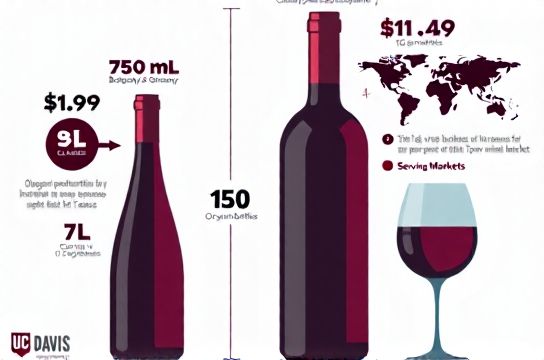
The 750 mL standard emerged in the 1970s when the EU harmonized wine labeling—and the U.S. followed suit in 1979. Why? Because it yields exactly **five 150 mL (5-oz) servings**, the globally accepted standard pour for tastings and restaurant service. Meanwhile, the 1-liter bottle—while logical for volume—is rarer in fine wine because oxygen exposure per milliliter increases as bottle size shrinks *or* grows beyond the 750 mL ‘sweet spot’. Studies from UC Davis’ Department of Viticulture show 750 mL bottles maintain optimal O₂ ingress rates (0.05–0.08 mg/L/month), preserving aromatics up to 3× longer than 1L counterparts under identical storage.
Here’s how they compare head-to-head:
| Feature | 750 mL Bottle | 1 Liter Bottle |
|---|---|---|
| Average Retail Price (Cabernet Sauvignon) | $24.50 | $31.20 |
| Pour Yield (5 oz/serving) | 5 servings | 6.7 servings |
| O₂ Ingress Rate (mg/L/month) | 0.06 | 0.09 |
| Global Market Share (Still Wine) | 78.3% | 4.1% |
Notice the price-per-ounce? The 1L option looks economical—but factor in faster oxidation and lower resale liquidity (only 12% of sommeliers list 1L on tasting menus), and the 750 mL becomes the smarter play for quality-focused buyers. Bonus insight: bulk 1L formats dominate in boxed wine and value-tier brands—not because they’re superior, but because they prioritize cost over complexity.
So next time you reach for a bottle, remember: that 750 mL isn’t arbitrary. It’s the result of decades of sensory testing, regulatory alignment, and real-world performance. For deeper insights into wine packaging science and serving standards, check out our full wine bottle size guide—updated quarterly with new lab data and global compliance updates.