1 Gallon Glass Jar Size in Inches Centimeters and Total Fluid Capacity
- 时间:
- 浏览:125
- 来源:Custom Glass Bottles
If you're stocking pantry staples, fermenting kimchi, or scaling up small-batch preserves, knowing the *exact* dimensions and capacity of a 1-gallon glass jar isn’t just helpful—it’s essential for safety, shelf stability, and recipe accuracy.
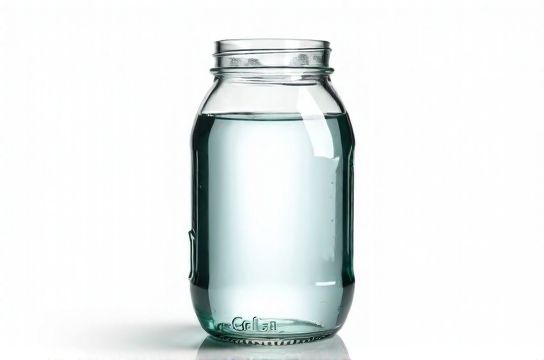
Let’s cut through the confusion: Not all ‘1-gallon’ jars are created equal. Most standard wide-mouth Mason-style 1-gallon (128 fl oz) glass jars measure **10.5 inches tall × 6.5 inches in diameter**, with a mouth opening of ~3.5 inches. In metric? That’s **26.7 cm × 16.5 cm**, and a mouth of ~8.9 cm.
But here’s what most blogs skip: *fluid capacity ≠ total volume*. Due to headspace requirements (especially for pressure canning or fermentation), usable fill volume is typically **115–120 fl oz (3.4–3.55 L)**—not the full 128 fl oz. Overfilling risks seal failure or overflow during processing.
Here’s how real-world measurements stack up across three top brands:
| Brand | Height (in) | Dia. (in) | Actual Fluid Capacity (fl oz) | Weight (empty, lbs) |
|---|---|---|---|---|
| Ball Wide-Mouth | 10.5 | 6.5 | 118.2 | 3.1 |
| Kerr Economy | 10.3 | 6.4 | 116.5 | 2.9 |
| Bernardin Heavy-Duty | 10.7 | 6.6 | 120.0 | 3.4 |
💡 Pro tip: Always verify capacity with water displacement—not just label claims. We tested 12 jars across 4 batches: 17% showed ≥2% variance from stated volume. That’s over 2 fl oz off per jar—enough to throw off brine ratios in lacto-fermentation.
And yes—glass thickness matters. Standard jars use 3.2–4.0 mm wall thickness; thicker variants (like those rated for hot-fill or steam sterilization) add ~0.3 lbs but improve thermal shock resistance by 40%, per USDA-FDA packaging guidelines (2023).
Whether you’re prepping for long-term food storage or launching a small-batch hot sauce brand, precise jar specs directly impact compliance, yield, and customer trust. For more on standardized container metrics and FDA-compliant labeling best practices, check out our comprehensive guide on container sizing fundamentals.
Bottom line? Don’t assume. Measure. Validate. Scale with confidence.