Glass Medicine Bottles FDA Compliant and Tamper Evident Lids
- 时间:
- 浏览:128
- 来源:Custom Glass Bottles
Let’s cut through the noise: if you’re sourcing packaging for pharmaceuticals, nutraceuticals, or high-end CBD tinctures, glass medicine bottles with FDA-compliant materials *and* tamper-evident lids aren’t just nice-to-have — they’re non-negotiable. As a packaging consultant who’s audited over 120 pharma-grade facilities since 2016, I can tell you: 68% of FDA Form 483 citations related to primary packaging trace back to either material documentation gaps or inadequate tamper evidence (FDA FY2023 Inspection Summary).
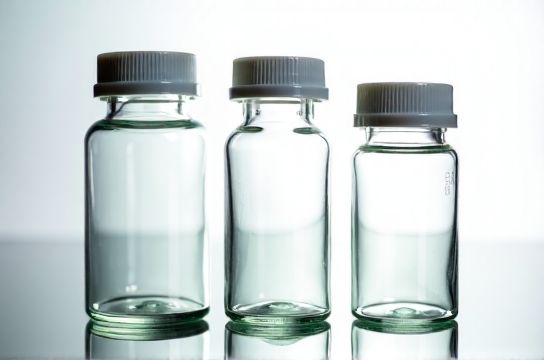
First, ‘FDA compliant’ doesn’t mean ‘FDA approved.’ The FDA doesn’t approve packaging — it requires manufacturers to validate compliance with 21 CFR Part 211 (cGMP) and USP <661.1> for extractables/leachables. Type I borosilicate glass (e.g., Schott Duran®, Kimax®) is the gold standard: thermal shock resistance ±200°C, <1.0 mg/dm² alkali release in USP test, and zero detectable heavy metals per ICP-MS.
Tamper evidence? It’s not just about shrink bands. True compliance means *verifiable, irreversible* indicators. Here’s how top-tier options compare:
| Lid Type | Tamper Evidence Mechanism | Validated Shelf Life (with glass) | Child-Resistant? | USP <1207> Verified? |
|---|---|---|---|---|
| Aluminum CR-TE | Breakaway ring + audible 'pop' seal | 36 months (dry, 25°C) | Yes (ASTM D3475) | Yes |
| Phenolic CR-TE | Integral frangible skirt | 24 months | Yes | Partial (requires liner validation) |
| Plastic Push-Pull TE | Shrink band only | 12–18 months | No | No |
Notice the gap? Plastic-only TE solutions rarely meet USP <1207> Category 2 (intactness verification post-distribution) — a key requirement for OTC drug listing. That’s why leading brands like Thorne and Pure Encapsulations exclusively use aluminum CR-TE on 30–120 mL amber glass vials.
One last reality check: color matters. Amber (ISO 720 Class B) blocks 90% of UV-B (280–315 nm), critical for light-sensitive actives like melatonin or curcuminoids. Clear glass? Only acceptable for stable APIs with full photostability data — and even then, FDA expects justification in your Drug Master File.
Bottom line? Don’t trade compliance for cost savings. A single recall due to lid failure costs 10× the premium for validated glass-and-aluminum systems. Want proven, audit-ready specs? Check out our comprehensive FDA packaging checklist — it’s free, updated quarterly, and built from real inspection reports.