Glass Laboratory Flasks Borosilicate Heat Resistant Types
- 时间:
- 浏览:139
- 来源:Custom Glass Bottles
Let’s cut through the clutter—when you’re selecting glass lab flasks, material isn’t just a detail—it’s mission-critical. As a lab equipment specialist with 12+ years advising universities, pharma R&D labs, and ISO-certified contract manufacturers, I’ve seen too many thermal shock failures (and shattered budgets) from using soda-lime instead of borosilicate.
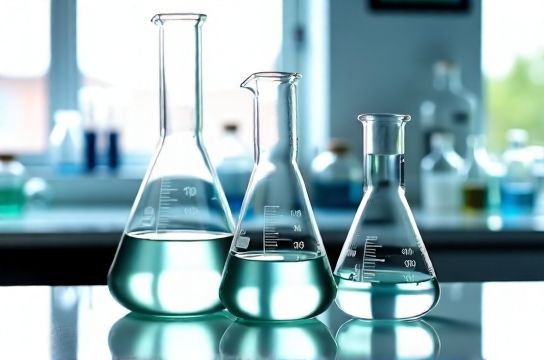
Borosilicate glass—like Pyrex® (original Corning formulation) or Schott Duran®—contains ~12–15% boron trioxide. That’s what slashes its coefficient of thermal expansion to just **3.3 × 10⁻⁶ /°C**, compared to 9 × 10⁻⁶ /°C for standard glass. Translation? It withstands rapid temperature shifts up to **160°C**—ideal for reflux, autoclaving, and vacuum distillation.
Here’s how common flask types stack up:
| Flask Type | Typical Volume Range | Max Thermal Shock ΔT (°C) | Key Use Case | Borosilicate Standard |
|---|---|---|---|---|
| Erlenmeyer | 25 mL – 10 L | 160 | Titrations, culturing, gentle heating | ISO 3585 / ASTM E438 Type I, Class A |
| Round-Bottom | 5 mL – 50 L | 160–180 | Distillation, synthesis under reflux | ISO 3585 (≥90% B₂O₃ content verified) |
| Volumetric | 10 mL – 2 L | 100 | Precision dilution & calibration | ISO 1042 Class A (±0.05–0.30% tolerance) |
⚠️ Pro tip: Not all ‘heat-resistant’ flasks are borosilicate. Some cheaper imports use aluminosilicate blends with inferior hydrolytic resistance (per ISO 719 HGB 1–2 vs. borosilicate’s HGA 1). Always check the COA for B₂O₃ % and hydrolytic class.
Bottom line? If your protocol involves >60°C cycles, open flames, or pH extremes, skip the discount flasks. Your safety—and reproducibility—depends on it. For a curated list of certified borosilicate labware suppliers and compatibility guides, visit our lab resource hub.