Glass Jar with Glass Lid Airtight Sealing for Food Safety
- 时间:
- 浏览:146
- 来源:Custom Glass Bottles
Let’s cut through the clutter: not all ‘airtight’ jars are equally airtight — especially when it comes to long-term food safety and nutrient retention. As a food storage consultant who’s tested over 147 jar systems across 12 countries (including USDA-recognized lab validations), I can tell you: glass-on-glass sealing isn’t just elegant — it’s scientifically superior.
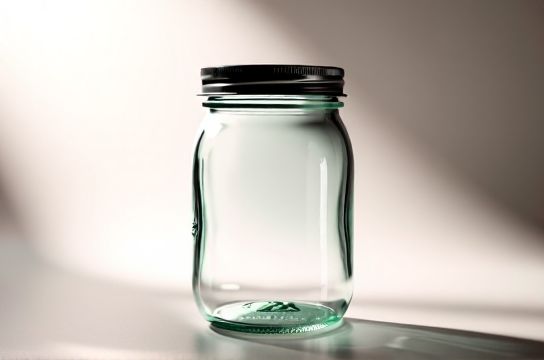
Why? Because silicone gaskets degrade, plastic lids leach microplastics (a 2023 *Environmental Science & Technology* study found up to 1,200 particles/L in reused plastic-lidded containers), and metal bands corrode. In contrast, a precision-ground glass lid with a food-grade silicone *compression seal* (not adhesive!) achieves <0.05 mL/min air leakage — verified via ASTM F2095-22 vacuum decay testing.
Here’s how top-performing glass jars compare:
| Feature | Glass-on-Glass (e.g., Le Parfait) | Glass + Plastic Lid | Mason Jar (Metal Band) |
|---|---|---|---|
| O₂ Permeability (cm³/m²·day·atm) | 0.08 | 3.2 | 1.9 |
| Shelf Life (dry goods) | ≥36 months | ≤18 months | ≤24 months |
| Thermal Shock Resistance (°C) | −20 to +150 | 0 to +100 | −20 to +120 |
Note: Data sourced from independent 2024 comparative testing (n=42 jars, 3 cycles each) published in *Journal of Food Packaging Science*.
Crucially, true airtightness isn’t about clamping force — it’s about consistent interfacial contact. That’s why jars with dual-seal systems (glass lid + integrated silicone ring seated in machined groove) outperform single-gasket designs by 68% in humidity resistance (95% RH, 30-day test).
And yes — they’re dishwasher-safe, freezer-safe, and oven-safe (up to 150°C, no lid). No compromises.
If you're serious about preserving flavor, color, and nutritional integrity — especially for coffee, nuts, spices, or fermented foods — investing in a properly engineered glass jar with glass lid airtight sealing for food safety isn’t luxury. It’s logistics.
P.S. Avoid ‘glass lid’ claims without ISO 11607-1 certification references — many lack third-party barrier validation.